

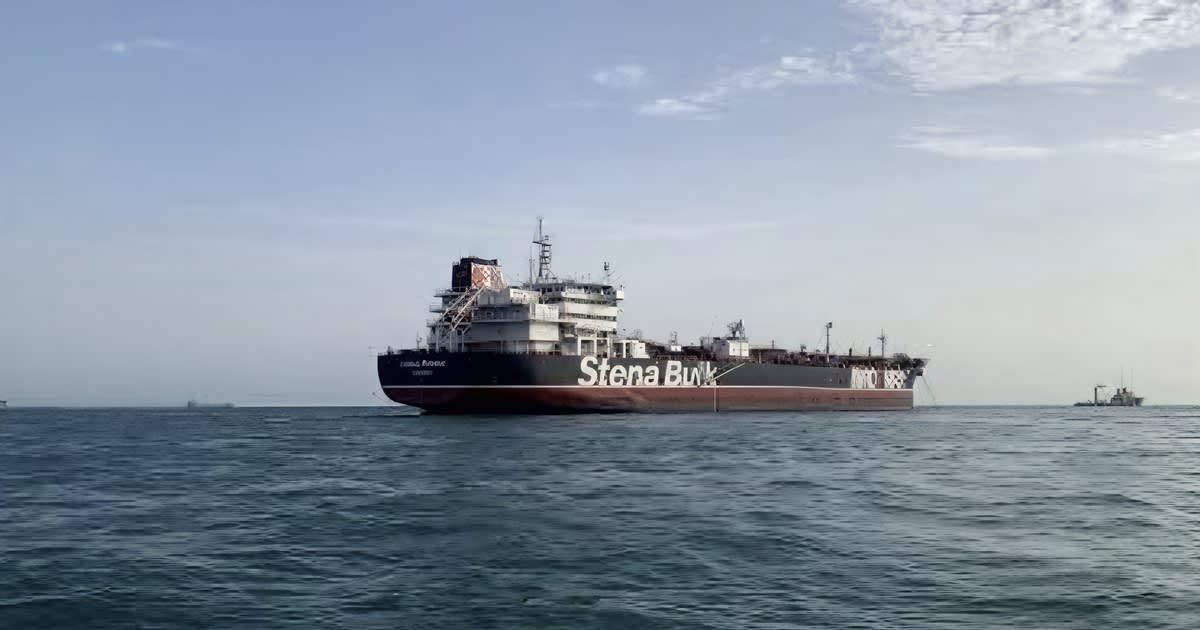
The fragile peace that briefly settled over the Persian Gulf appears to be unravelling, after Iran allegedly fired a projectile at a cargo ship near Omani waters on Thursday, forcing the United Nations' International Maritime Organization (IMO) to suspend its high-stakes escort operation through the Strait of Hormuz. For a region that had only just begun to breathe easier following months of conflict, the incident is a stark reminder of how precarious the situation remains.
The IMO's mission was no small undertaking. It had been tasked with safely guiding out more than 11,000 seafarers who had been trapped aboard vessels in the Persian Gulf since fighting broke out in February. For these sailors, many of them ordinary merchant crew caught in the crossfire of geopolitics, the evacuation route represented the first real hope of going home after months of uncertainty. That hope now hangs in the balance.
Accounts of what exactly triggered the incident diverge sharply. Two US officials have pointed the finger squarely at Iran, alleging that its forces fired on the ship. Tehran, however, tells a different story. Iran's Persian Gulf Strait Authority has placed the blame on the vessel itself, accusing it of taking on an "unapproved role" in the strait. Adding weight to that warning, Iran's Revolutionary Guards issued a blunt message of their own: ships that stray from approved routes cannot expect safe passage. It is a statement that leaves little room for ambiguity, and one that will worry shipping companies and maritime insurers already on edge.
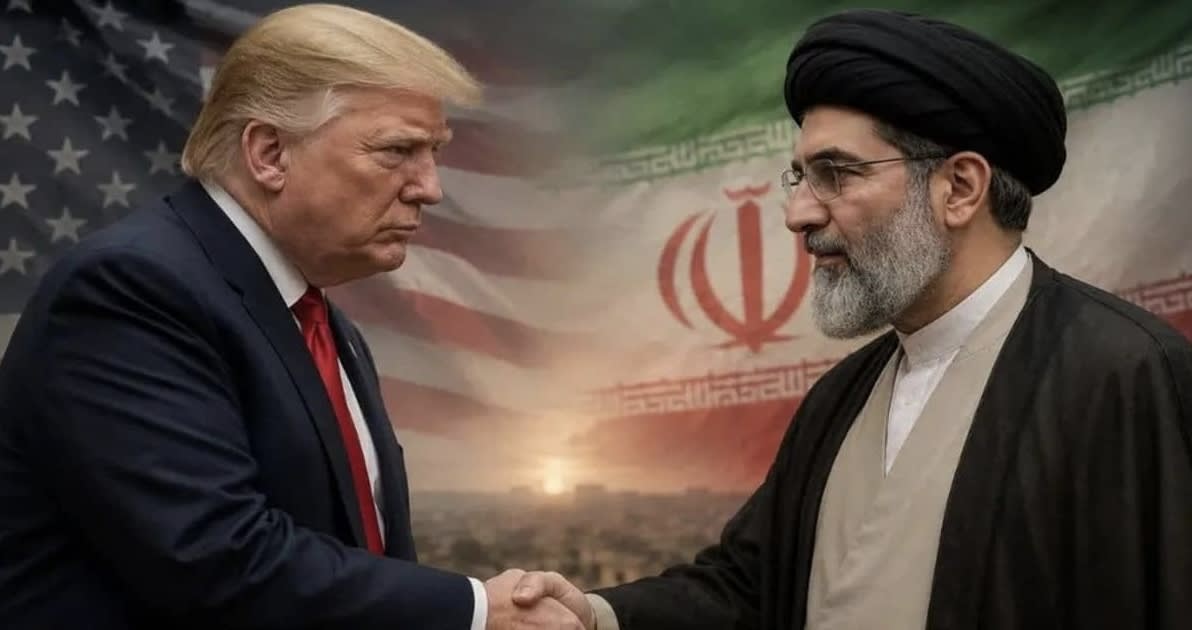
The timing could hardly be more sensitive. The evacuation corridor had only been operational for a matter of days, launched after Washington and Tehran put pen to paper on a memorandum of understanding meant to de-escalate tensions and allow safe movement through one of the world's most strategically vital waterways. That such an agreement could come under strain so quickly underscores just how thin the margin for trust remains between the two sides.
US Secretary of State Marco Rubio, speaking to reporters as he wrapped up a tour of the Gulf region, did not mince words about the stakes involved. He made clear that any threat to ships transiting the strait would not be tolerated, warning that Iran risks a serious confrontation if such incidents continue. His remarks reflect Washington's broader anxiety over the Strait of Hormuz, a narrow but critical chokepoint that, before the war, carried roughly a fifth of the world's daily oil and gas supplies.
That statistic alone explains why this single incident carries global weight. Even a temporary disruption to shipping through Hormuz can send ripples through energy markets far beyond the Gulf, affecting fuel prices and supply chains that touch economies across Asia, Europe and beyond, including India, which relies heavily on Gulf energy imports. For now, the fate of the peace deal, and the safety of thousands of stranded seafarers, remains uncertain as both sides weigh their next move.









Comments