
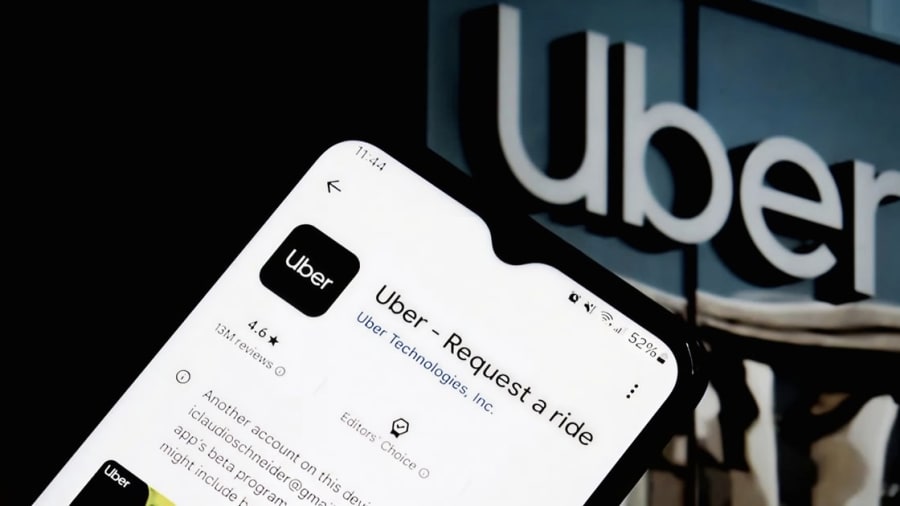
That encryption part matters more than it sounds. Uber says recordings remain sealed within the app and only get unlocked if a rider or driver flags an incident through Support. It's basically the same logic the company already uses for audio recording, where the clip sits untouched on the device until someone needs it. And that's the quiet bet here. Most rides go fine. But when something goes wrong, having proof that wasn't tampered with could change how a dispute, or worse, gets handled. The ambulance piece works through Dial 4242, a Mumbai born medical logistics startup that's been booking emergency rides since 2017. Riders or drivers caught in an accident can now request an ambulance straight from the Uber app instead of fumbling through calls in a panic, which, frankly, is when people make their worst decisions.
Uber didn't stop there. The app will soon block manual typing for drivers once a vehicle starts moving, nudging them to pull over before texting back. Riders also get to set and lock their own trip verification PINs now, a small tweak but one that closes an old loophole. Sooraj Nair, who heads Safety Operations for Uber India and South Asia, said safety features that feel new today should just become the baseline tomorrow, not stay some kind of selling point. Uber's also partnered with the Ministry of Road Transport and Highways on the Sadak Suraksha Abhiyaan campaign to push road safety awareness more broadly. Dial 4242, for what it's worth, already works with hospitals across multiple cities and has been doing the ambulance aggregator thing for almost a decade now.








Comments