
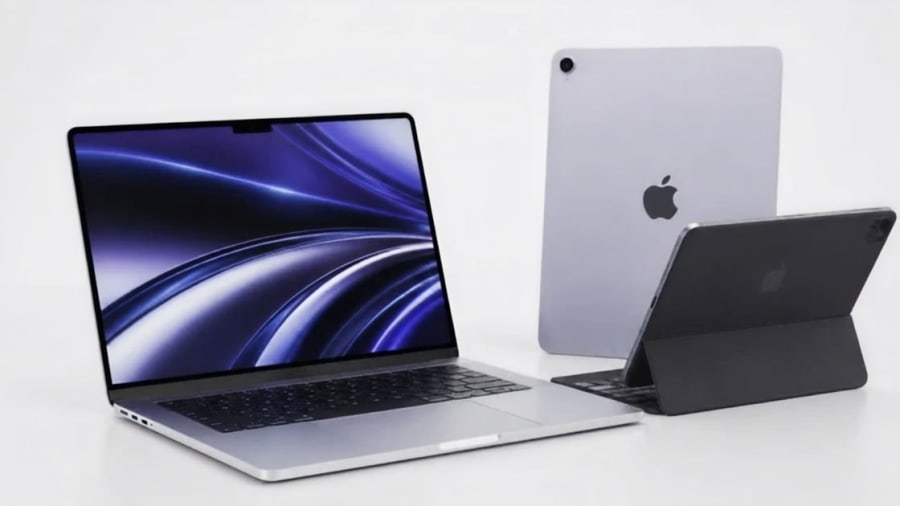
Apple has once again found itself at the centre of a global technology storm, and this time it's not about a flashy new gadget but about the price tags on some of its most popular devices. In a move that has sent ripples through the consumer electronics world, the Cupertino-based tech giant announced sweeping price hikes across its Mac and iPad lineup, catching many loyal customers off guard. The budget-friendly MacBook Neo, which had been a favourite among students and first-time Apple buyers, jumped from $599 to $699. The more premium MacBook Air saw an even steeper increase, climbing from $1,099 to $1,299. Meanwhile, the iPad Air also got costlier, rising from $599 to $749. Interestingly, Apple chose to spare its iPhone, Apple Watch, and AirPods lines from any price changes, at least for now, suggesting the company is being selective about where it absorbs the pain and where it passes costs on to consumers.
So why is Apple, a company famous for its pricing discipline and brand loyalty, suddenly raising rates on some of its core products? The answer lies not in Cupertino boardrooms but in the global memory chip supply chain. The first quarter of 2026 has witnessed an extraordinary spike in memory prices, with costs surging by as much as 98 percent. Industry watchers have begun calling this unprecedented crunch "RAMageddon." The root cause appears to be the explosive growth of artificial intelligence infrastructure, with massive data centre construction projects gobbling up chip supply that would otherwise go toward consumer electronics like laptops, tablets, and gaming devices. This tug-of-war between AI infrastructure demand and everyday consumer tech has left manufacturers like Apple with little choice but to pass rising component costs onto buyers.
Apple CEO Tim Cook addressed the situation directly, acknowledging that the company had been trying to protect its customers from the fallout for as long as possible. "We've been trying to shield our customers from the increases, but the situation has become unsustainable," he said. The admission, while candid, did little to reassure investors. Apple's stock tumbled nearly 5 percent on the same day the price hikes were announced, reflecting concerns that the company's margins and sales volumes could take a hit in an already fragile market.
The broader picture painted by research firm IDC is equally concerning for the tech industry at large. The firm now projects the global smartphone market will suffer its biggest-ever annual decline this year, with sales expected to drop by nearly 14 percent. The personal computer market isn't faring much better, with an estimated 11.3 percent fall anticipated. For Indian consumers, who have increasingly gravitated toward premium Apple devices in recent years, these global supply chain pressures could soon translate into higher price tags locally as well.
Adding a competitive twist to the story, the MacBook Neo's $100 price increase has effectively erased its entire cost advantage over Dell's XPS 13, a laptop that was specifically engineered and launched to rival the Neo on pricing. This development could reshape competitive dynamics in the budget laptop segment, as consumers who once saw the Neo as the more affordable choice may now weigh their options more carefully. As the RAM shortage continues to squeeze the electronics industry, all eyes will be on whether other manufacturers follow Apple's lead in raising prices, and how long this AI-driven supply crunch will last.










Comments