Did Iran just target American troops in Kuwait?

Iran struck Kuwait and Bahrain with drones and missiles, hitting a Kuwaiti power plant, after US strikes pounded Iran for an eighth night.

21 July 2026 4 days ago 4 min read
M
Media Wing (LetsxOtt)
Journalist
21 July 2026 · 4 days ago
4 min read
Did Iran just target American troops in Kuwait?
Source: LetsXott

Did Iran Just Target American Troops in Kuwait?

The Middle East is once again on high alert as tensions between the United States, Iran, and their allies continue to escalate. On Sunday, Iran fired drones and missiles at targets in Kuwait and Bahrain, striking back hard after a series of US attacks on Iranian interests. The region now teeters on the brink of a wider war, with analysts warning that the situation is more volatile than it has been in weeks.

The US Strikes: Punishing Iran for Earlier Attacks

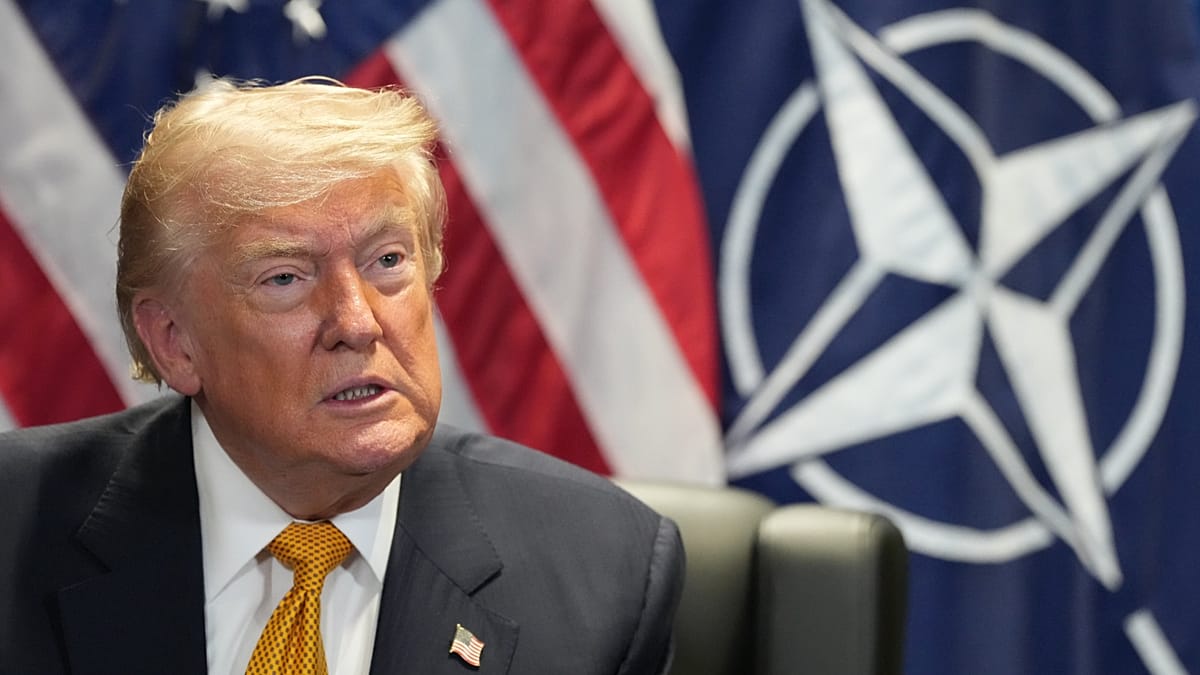
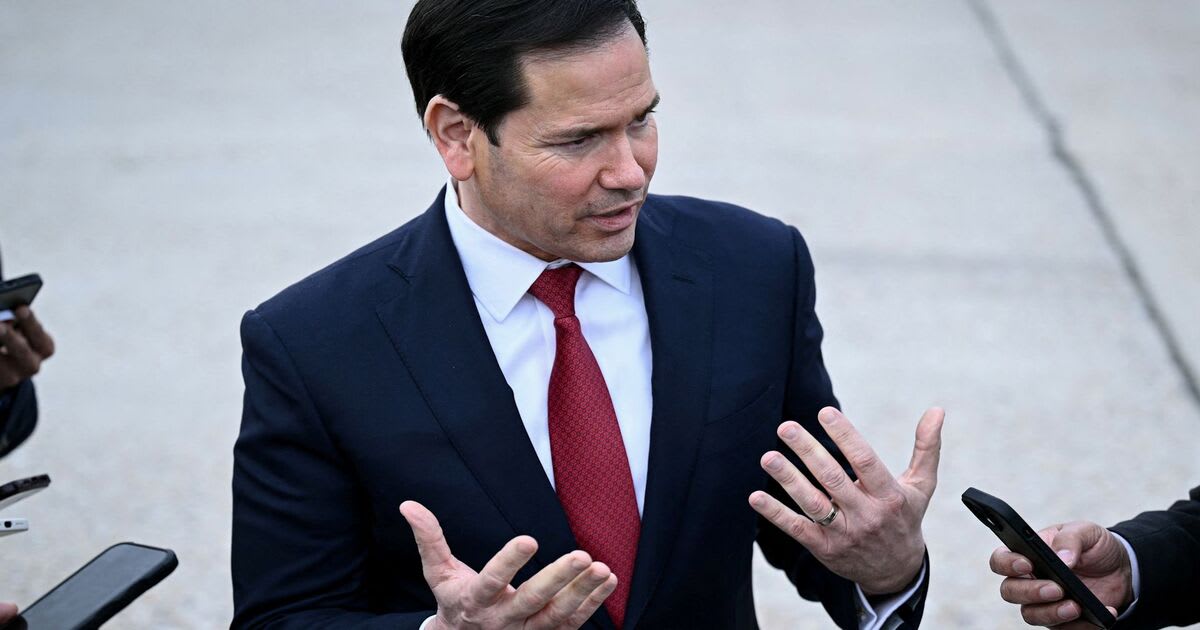
The US military launched an eighth consecutive night of strikes against Iran, targeting Islamic Revolutionary Guard Corps (IRGC) forces blamed for earlier attacks in Jordan. Two US service members were killed in those incidents, prompting Washington to take swift action. The airstrikes aimed not only to punish the IRGC but also to degrade Iran's ability to threaten shipping in the Strait of Hormuz. In a significant escalation, the US reimposed a naval blockade on Iranian ports, straining the fragile understanding between the two sides that had been reached just last month. This move has sparked outrage from Tehran, which sees it as an act of aggression and a breach of international law.

Tehran's Response: A Show of Force

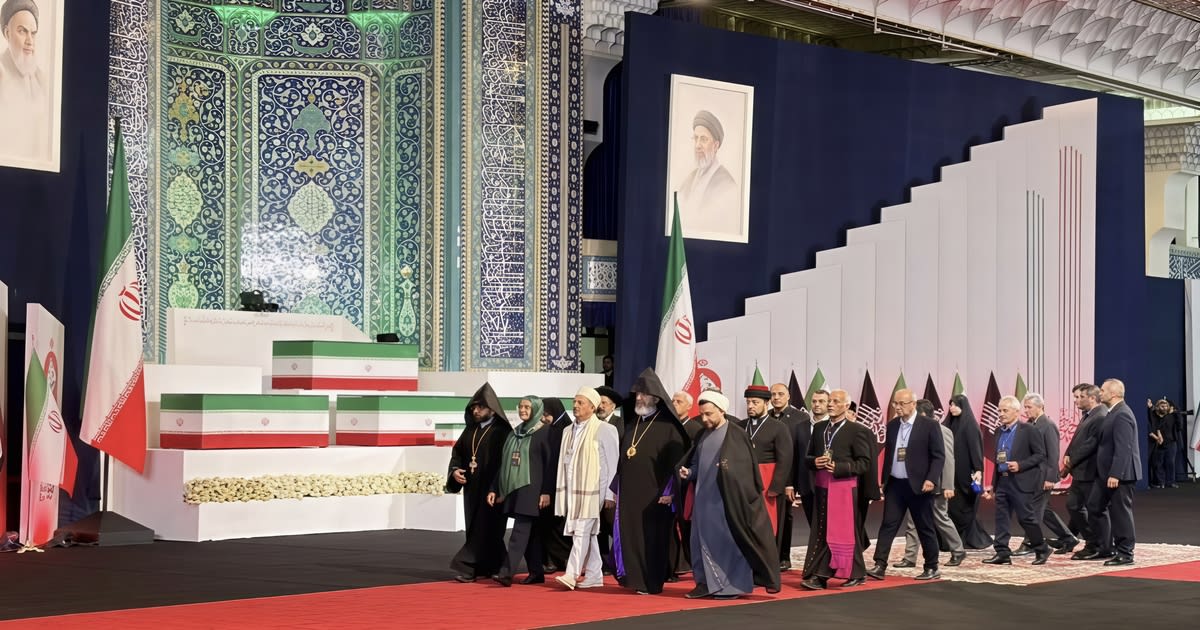
Iran's nuclear energy agency condemned the US strikes, claiming they hit an under-construction nuclear power plant in the country's southwest. The Revolutionary Guard Corps (IRGC) also announced that it had blocked two ships trying to use what it called an "unsafe route" through the Strait of Hormuz. Both vessels, the IRGC claimed, had already been involved in an accident. But experts say Iran's response is more than just a defensive measure – it's a calculated move to show its strength and willingness to fight back against US aggression. According to Dr. Paul Musgrave, a professor of government at Georgetown University in Qatar, Iran holds the upper hand in this conflict because it sees itself as fighting an existential war. "In this sense, Tehran is fighting for survival," Dr. Musgrave explained. "It's not just about policy choices or strategic interests – it's about the very existence of the Iranian state. The United States and Israel, on the other hand, are fighting over policy choices and strategic interests." This fundamental difference in perspective may be the key to understanding the escalating tensions between Iran and its adversaries.

The Human Cost: Kuwait Under Fire

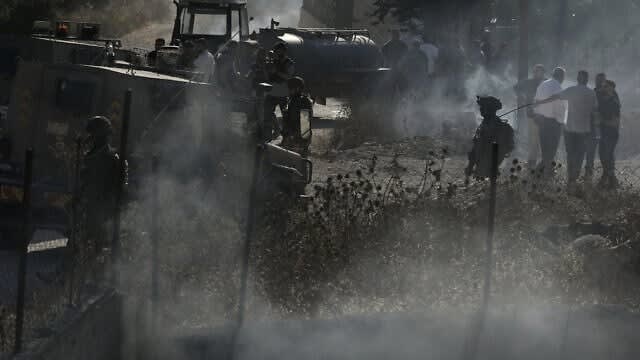
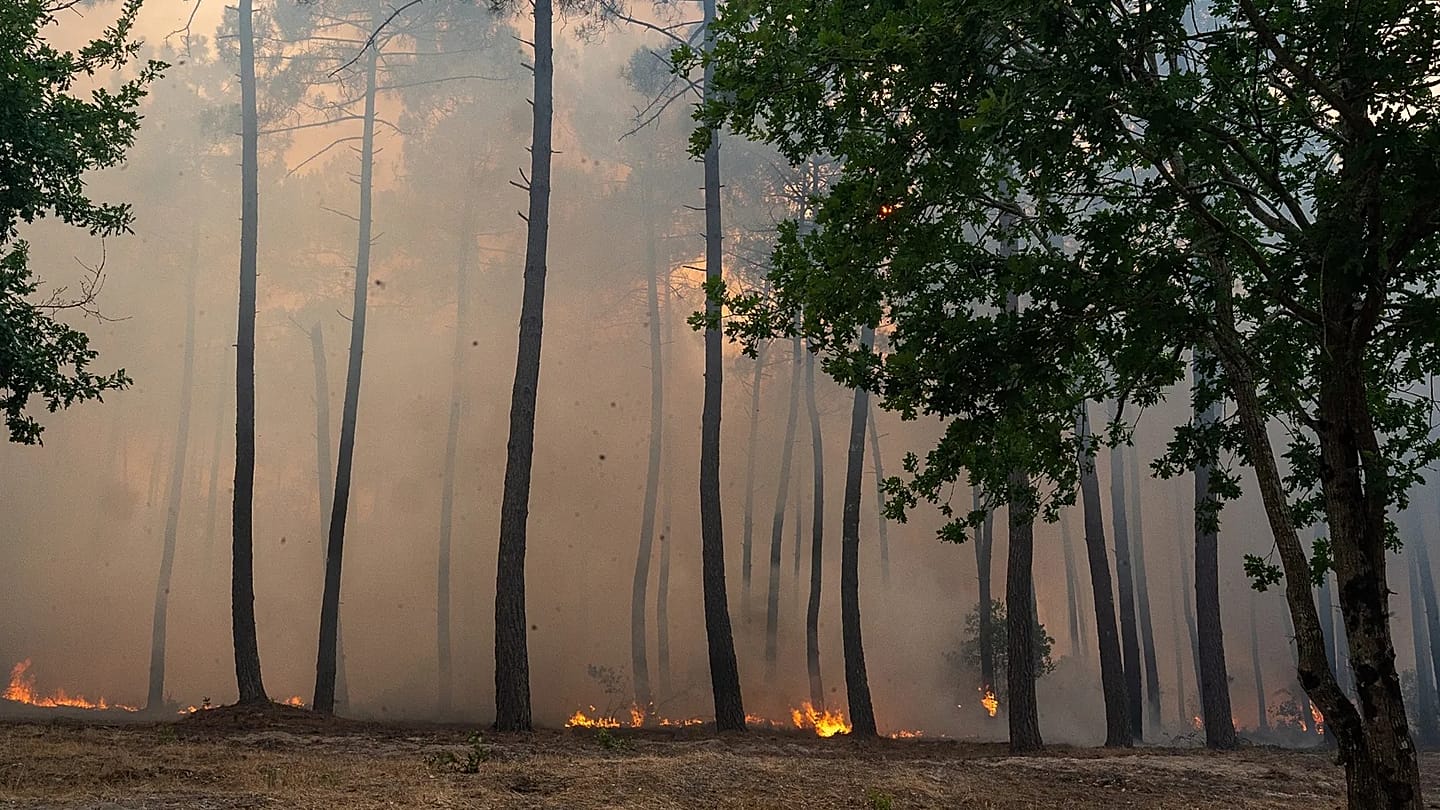
Kuwait was one of the targets of Iran's retaliation. A drone strike hit a power and water plant, starting a fire that has left thousands without electricity or running water. This is not the first time Kuwait's energy grid has been targeted – just days ago, it suffered a similar attack. The Kuwaiti government condemned the Iranian strikes, calling them an "act of aggression" that will not be tolerated. The incident highlights the vulnerability of critical infrastructure in the region and the potential for widespread disruption to daily life.

The US Response: A Targeted Strike

According to reports from the ground, Iran's military claimed it targeted a US ammunition depot at Camp al Adiri and air defense radars near the Ali Al Salem airbase, where American personnel are stationed. This is not a small target – in fact, it's one of the most significant targets that could be hit in the region. Bahrain's military also reported thwarting an Iranian attack on its territory, claiming its air defenses had intercepted a "treacherous" missile fired toward the country.

A New Front: Israel and Jordan Join the Fray

As tensions continue to escalate, a new front has emerged in the conflict. A missile fired toward the Jordanian city of Aqaba was intercepted by Israeli and Jordanian forces before it ever hit the ground. This incident highlights the increasing involvement of other regional players in the conflict. In the face of these escalating tensions, experts warn that the situation is more volatile than it has been in weeks. With both sides digging in their heels, a wider war becomes increasingly likely. As Dr. Musgrave noted, "The gap between what each side has riding on this thing might be the whole story here." With the stakes higher than ever, one thing is clear: the Middle East is bracing itself for a long and bloody conflict.

Comments

Leave a Comment

You May Also Like

More from Politics

Latest News

View All →
Link copied!