

Two Missiles, One Target: What Happened at Yanbu?
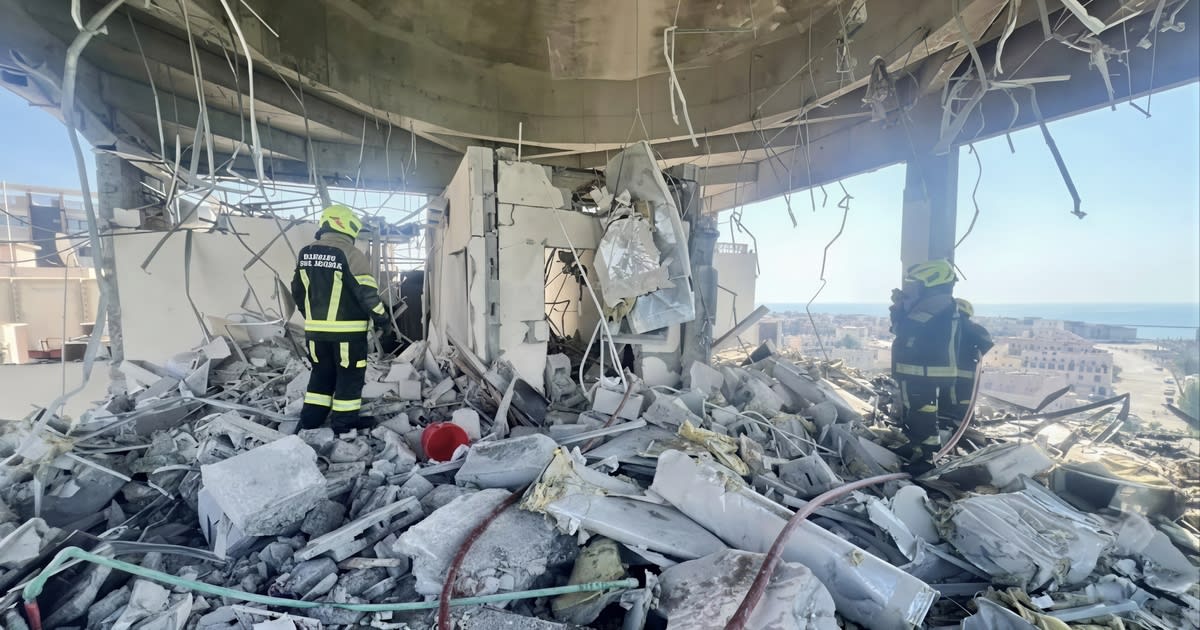
In a stunning display of military might, two ballistic missiles fired from Yemen were intercepted by Greek air defense crews in Saudi Arabia on Saturday. The projectiles, aimed directly at the kingdom's oil refineries in Yanbu, were shot down before they could cause any damage, according to security sources who spoke to Reuters.
The Background: Tensions Between Saudi and Houthi
Tensions between Saudi Arabia and the Houthi rebels have been escalating for months. The Houthis, backed by Iran, have been launching attacks on Saudi targets in retaliation for the kingdom's military campaign against them in Yemen. The conflict has claimed thousands of lives and displaced millions.
The latest development came just a day after Saudi-led coalition forces launched airstrikes on Houthi military sites in Yemen's Hodeidah governorate. The strikes, aimed at locations used to threaten shipping lanes, were met with condemnation from the Houthis, who accused Saudi Arabia of maintaining a siege on Yemen.
Houthi spokesman Mohammed Abdul Salam said Riyadh had "turned itself into an open enemy of Yemen" and vowed that the group would continue to fight back. The rhetoric from both sides has been escalating, with the Houthis accusing Saudi Arabia of targeting civilians and the kingdom accusing the rebels of using human shields.
The Greek Defense System: A Key Player in the Conflict
Greece's deployment of a Patriot air defense system to Saudi Arabia in 2021 marked a significant shift in the country's military cooperation with Riyadh. The system, staffed by Greek personnel, was designed to protect the kingdom's energy sites from potential threats.
On Saturday, the Greek defense crews made headlines when they successfully intercepted both ballistic missiles fired at Yanbu. This marked only the second time the Patriot system had been used in combat since its deployment. The incident highlights the importance of Greece's role in maintaining regional security and protecting vital infrastructure.
The Aftermath: No Sirens or Strikes in Bahrain, Jordan, or Kuwait
While the situation in Yanbu was unfolding, no sirens or strikes were reported in Bahrain, Jordan, or Kuwait – countries that have previously been targeted by Iran in retaliation for US strikes. The lack of any fresh attacks from Iran suggests a possible de-escalation of tensions between Tehran and Washington.
The United States Central Command (CENTCOM) did not announce any new strikes on Iran Friday night or early Saturday, breaking a 13-night streak of hits. The development is seen as a positive sign that both sides are trying to reduce the risk of further conflict in the region.
Analysis: A New Era of Military Cooperation?
The successful interception of the ballistic missiles by Greek air defense crews marks a significant milestone in military cooperation between Greece and Saudi Arabia. The incident highlights the importance of regional alliances and the need for countries to work together to maintain stability in the face of emerging threats.
The deployment of the Patriot system to Saudi Arabia has been seen as a key factor in deterring potential attacks on the kingdom's energy infrastructure. The success of the Greek defense crews in intercepting the missiles demonstrates that this strategy is paying off.
Context: A Larger Conflict?
The conflict between Saudi Arabia and the Houthis is part of a larger struggle for influence in the Middle East. Iran, with its proxy forces, is seeking to expand its reach and challenge the dominance of Western powers in the region.
The recent strikes on Houthi military sites in Yemen's Hodeidah governorate are seen as an attempt by Saudi Arabia to disrupt Iran's supply chain and limit its ability to project power in the region. The Houthis, backed by Iran, have been using their control of key ports in Yemen to smuggle arms and supplies.
Conclusion: A Complex Web of Alliances
The interception of the ballistic missiles at Yanbu highlights the complex web of alliances and rivalries that shape the Middle East. The incident demonstrates the importance of military cooperation between countries and the need for a unified approach to addressing emerging threats.
As tensions between Saudi Arabia, Iran, and their respective allies continue to escalate, one thing is clear: the region remains volatile and prone to outbreaks of violence. The successful interception of the missiles by Greek air defense crews serves as a reminder that regional security requires collective effort and cooperation.









Comments