

As Europe continues to swelter under a prolonged heat wave, wildfires are raging across southwest France and Spain, forcing tens of thousands of people to flee their homes in search of safety. The situation is dire, with multiple fires merging near Madrid, prompting both countries to declare national emergencies.
France's Desperate Efforts to Contain the Blazes
Tens of thousands of people packed up their cars and even took to boats on Friday as they fled wildfires tearing through southwest France. The situation was so dire that French officials were forced to order a full evacuation of the Cap Ferret area, a popular summer tourist destination on the Atlantic coast. It's a scene no one wants to see in July, with tourists and locals alike scrambling to escape the inferno.
Prime Minister Sébastien Lecornu described the fires hitting the country as "never been seen before," with more than 140,000 people already forced to flee the Gironde and Landes regions near Bordeaux. That's roughly 110,000 from Gironde alone, a staggering number that highlights the sheer scale of the disaster.
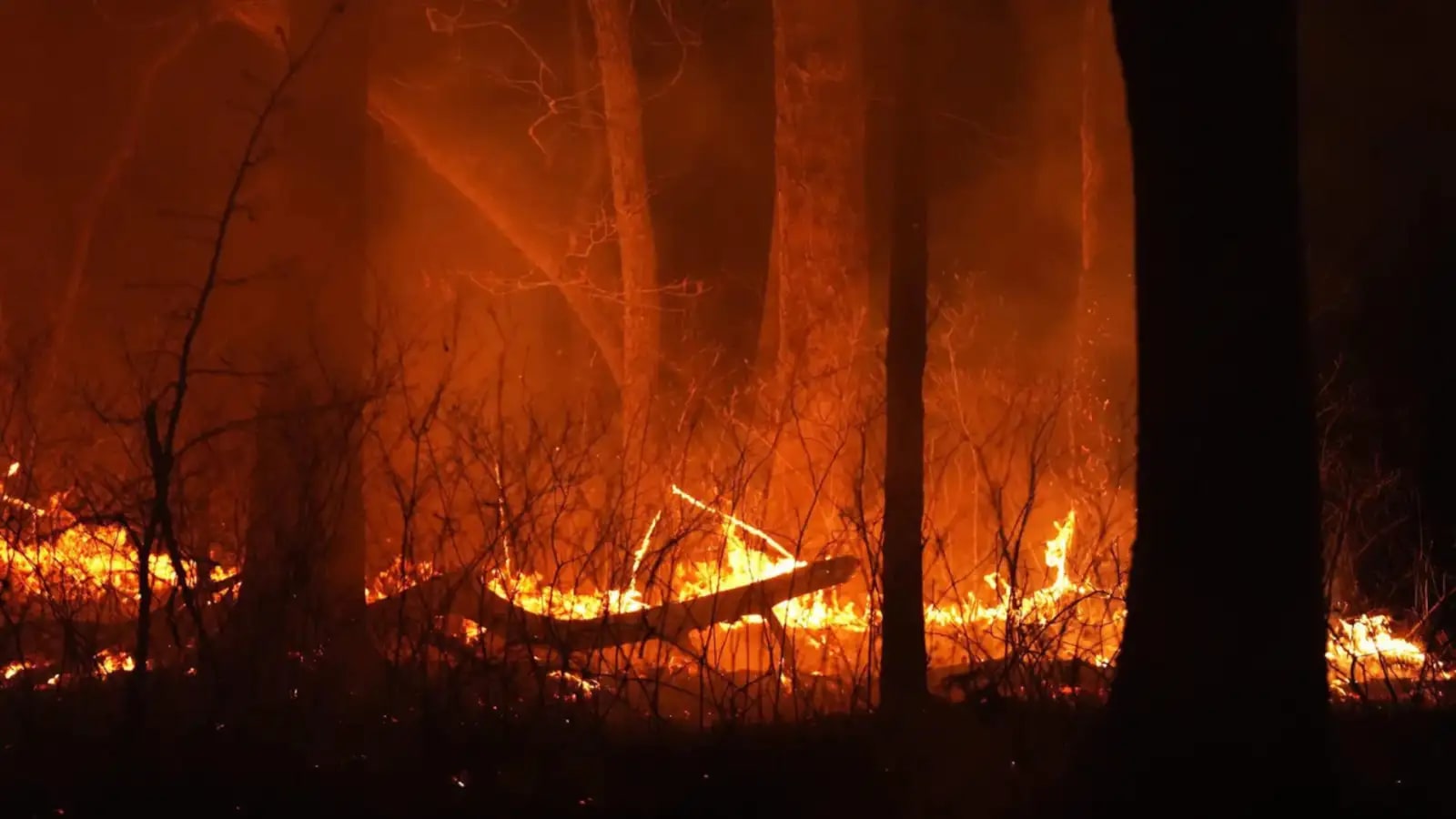
The blazes are being described as convective fires, which generate their own wind and heat, making them jump distance fast and hard to predict. Firefighters are struggling to keep up with the situation, but they're not alone in their efforts. France's military has been mobilized to support the firefighting push, with an A400M transport aircraft set to help drop water on the fires by Saturday.
Spain's First Ever National Wildfire Emergency
Spain wasn't spared either. The interior ministry declared its first ever national wildfire emergency on Friday, after two major fires merged west of Madrid near San Martín de Valdeiglesias and Villa del Prado. In nearby Ávila province, about 1,500 residents were forced to flee rural tourism sites and housing developments around El Tiemblo as flames closed in.
Some of those evacuated were sent to a sports hall in Villamanta to wait things out, while over 270 firefighters and Spain's Military Emergency Unit have been thrown at the blazes, backed by water dropping planes. Meanwhile, Spain's largest fire this year continues to grow in Guadalajara province, north of Madrid, having already burned through roughly 32,000 hectares since last week.
What's Next for Europe?
The situation is dire, but officials in both countries are working around the clock to contain the blazes. Spanish Prime Minister Pedro Sánchez urged people to use "great caution" and follow evacuation orders as fires continued to burn across Ávila, León, Toledo, and Madrid.
No deaths have been confirmed so far, although injuries have already been reported among residents and crews on the ground. The heat wave that's fueling these fires shows no signs of letting up, with temperatures expected to remain high in the coming days.
As Europe struggles to come to terms with this disaster, one thing is clear: the situation will only get worse unless drastic action is taken. The question on everyone's mind is what's next? Will France and Spain be able to contain these blazes, or will they continue to spread, putting even more lives at risk?
Only time will tell, but one thing is certain – Europe needs a miracle to stop these fires from raging out of control.
The Human Cost of the Fires
Beyond the destruction of property and infrastructure, the human cost of these fires cannot be overstated. Families have been forced to flee their homes in search of safety, leaving behind everything they own. The psychological trauma of living through a wildfire is immeasurable, and it's only going to get worse unless something is done to address the root causes of these disasters.
As we watch this disaster unfold on our screens, it's easy to forget that there are real people affected by these fires – people who have lost their homes, their livelihoods, and even their loved ones. The human cost of these fires needs to be remembered as Europe struggles to come to terms with the sheer scale of this disaster.
The fact is, these wildfires are not just a natural disaster; they're also a symptom of a larger problem – climate change. As temperatures continue to rise, forests and scrubland become increasingly tinder-dry, making them ripe for wildfires to spread.
Conclusion
The situation in southwest France and Spain is dire, but it's not too late to take action. Europe needs to come together to address the root causes of these disasters – climate change, drought, and land management practices that are woefully inadequate.
We need to invest in sustainable agriculture, reforestation efforts, and wildfire prevention strategies. We need to support our firefighters and emergency responders who are working tirelessly to contain these blazes.
And most importantly, we need to remember the human cost of these fires – the families who have lost everything, the lives that have been changed forever. It's time for Europe to come together to address this disaster and prevent it from happening again in the future.






Comments