

Modi's Government Caves to Student Protesters: A Turning Point in Indian Politics?
The sudden resignation of Union Education Minister Dharmendra Pradhan on Saturday has sent shockwaves across India, marking a significant concession by Prime Minister Narendra Modi's government to weeks of student protests over exam paper leaks. The move has sparked both praise and skepticism, with many questioning whether this is a genuine attempt to address the grievances of the country's youth or simply a tactical retreat.
The Spark that Ignited the Protests
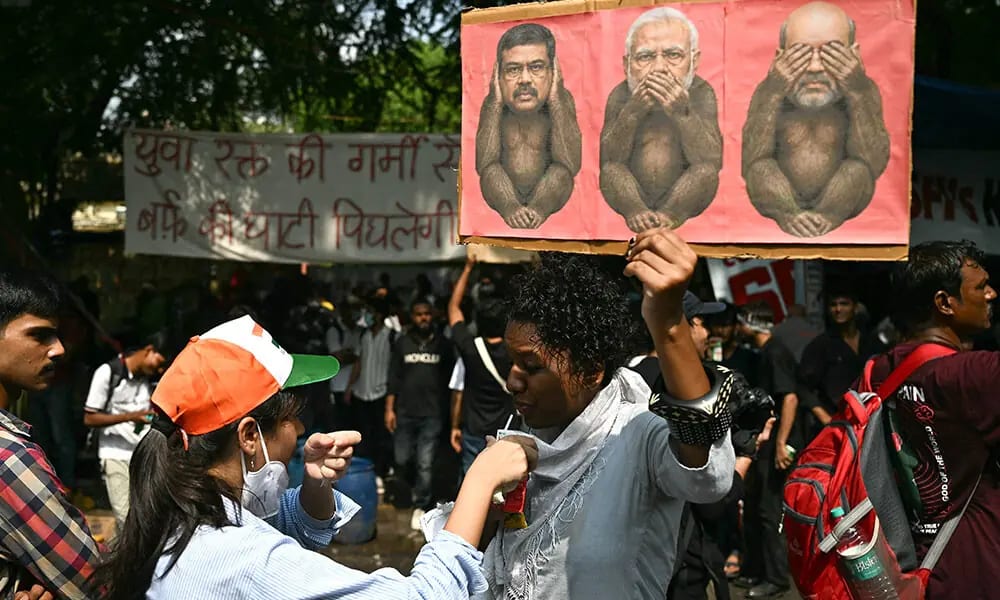
The unrest began in May, when Chief Justice of India Surya Kant made a remark comparing unemployed youth to cockroaches. This sparked the Cockroach Janta Party, a satirical movement led by former political strategist Abhijeet Dipke. The protests have since gained momentum, with students from across the country converging on Delhi's Jantar Mantar, demanding action against paper leaks and calling for a new law to prevent such incidents in the future.
The Concession: A Significant Shift in Modi's Government?
Pradhan's resignation letter, posted on X (formerly Twitter), revealed that he had sent it directly to Modi. In it, he expressed his respect for the aspirations and legitimate expectations of the country's youth, stating that he didn't want students to get tangled up in legal complications instead of focusing on their studies and careers. This concession comes after weeks of student anger, with protesters calling for Pradhan's resignation amidst allegations of government inaction against paper leaks.
Background: The Modi Government's Handling of Student Protests
The protests against paper leaks are not an isolated incident. In recent years, the Modi government has faced criticism for its handling of student movements and protests. From the 2019 Jamia Millia Islamia violence to the ongoing struggles of farmers and workers, there is growing discontent among India's youth with the government's policies and actions.
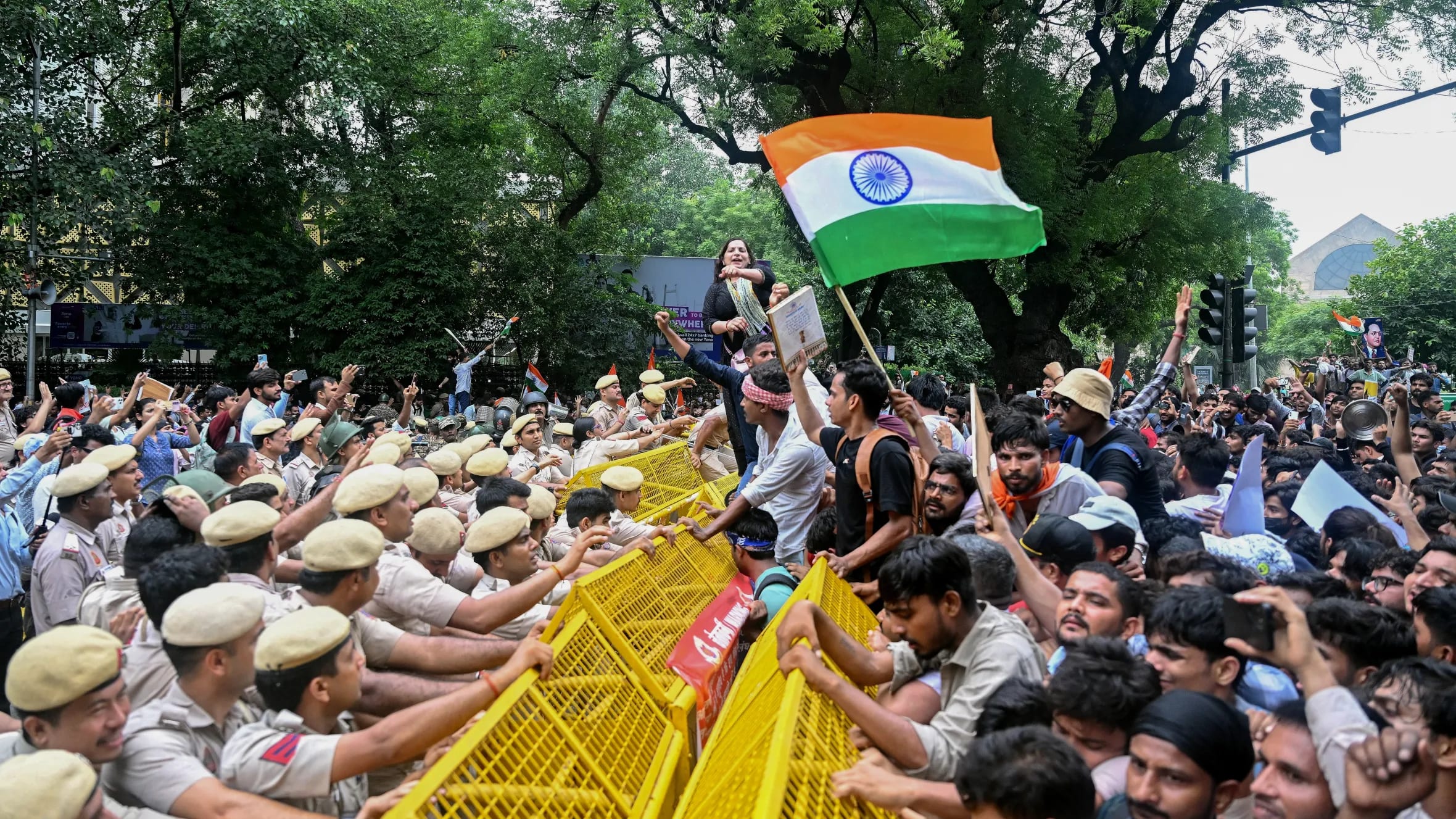
Modi's government has often been accused of using force to quell protests, with many critics labeling it as "authoritarian." The current protests have seen police firing tear gas to scatter protesters in Delhi, resulting in injuries to both students and law enforcement personnel. According to reports, around 130 police personnel and roughly 65 students have been injured so far, with 15 FIRs filed.
The Aftermath: A New Era for Indian Education?
With Pradhan's resignation, Naresh Pal Gangwar has taken over as the new Higher Education Secretary. However, protesters at Jantar Mantar remain resolute in their demands, pushing for a new law against paper leaks and greater accountability from the government.
The scene at Jantar Mantar was tense on Saturday morning, with around 10,000 people still gathered despite Pradhan's resignation. Roughly three thousand police personnel kept watch over the protesters, with volunteers rushing to help Abhijeet Dipke after he collapsed on stage upon hearing the news of Pradhan's resignation.
What's Next for Modi's Government?
The government's move to concede to student demands has raised questions about its intentions. Is this a genuine attempt to address the grievances of India's youth, or simply a tactical retreat? Only time will tell. As the protests continue, one thing is clear: the fight isn't over yet.
A Turning Point in Indian Politics?
The resignation of Pradhan marks a significant concession by Modi's government to student protesters. It remains to be seen whether this will lead to more concessions or simply delay the inevitable. As India's youth continues to push for change, one thing is certain: their voices will not be silenced.


Comments