

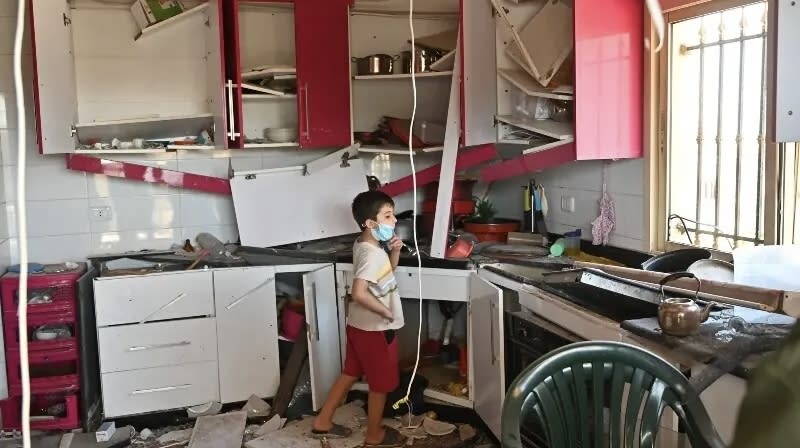
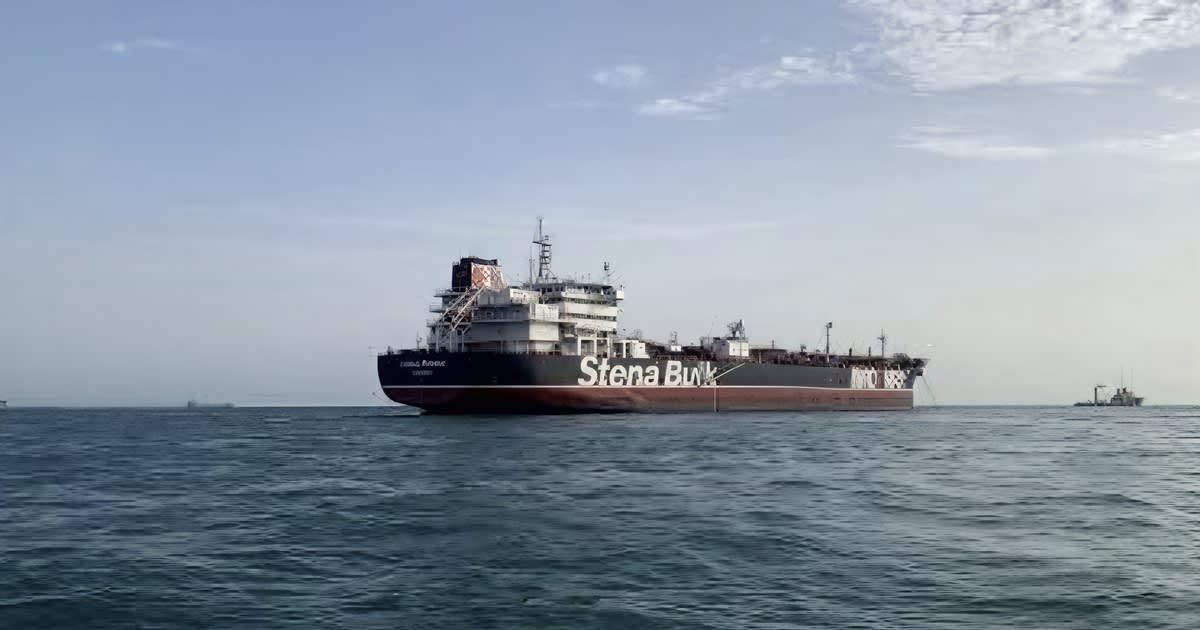
Prime Minister Narendra Modi's weekend message welcoming the United States-Iran peace deal has put the spotlight back on a question India has been quietly grappling with for months: how much is at stake for New Delhi in the West Asia conflict, and does it have any real say in how the region stabilises. The war, which broke out in February 2026, spread quickly beyond the two main combatants, disrupting shipping lanes, spiking insurance costs for tankers, and reportedly claiming lives in several countries caught in the crossfire of a conflict that touched some of the world's busiest energy corridors.
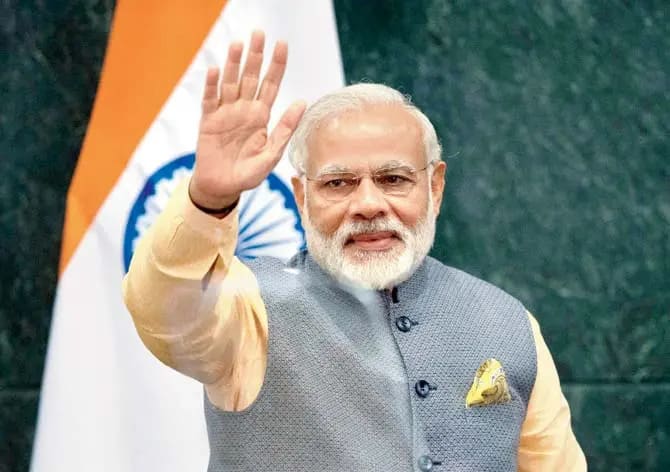
Taking to X on Sunday, Modi said India welcomed the agreement and hoped its implementation would translate into "real peace" on the ground rather than a temporary pause in hostilities. Crucially, he flagged the importance of keeping the Strait of Hormuz open for trade — a line that underscores exactly why India has been watching this conflict so closely. The narrow waterway between Iran and Oman is one of the world's most critical energy chokepoints, and a significant share of India's crude oil and liquefied natural gas imports pass through it. Any prolonged disruption there does not just move markets abroad; it directly affects fuel prices, inflation, and household budgets back home.
Beyond energy, India's stakes in West Asia run deep. Millions of Indian workers live and are employed across the Gulf region, sending home remittances that form a vital part of the country's foreign exchange inflows. New Delhi has also invested heavily in Iran's Chabahar port, seen as a strategic gateway to Afghanistan and Central Asia that bypasses Pakistan. A region in turmoil threatens all of these interests simultaneously, which is why Indian officials have consistently called for de-escalation since the fighting began, even while maintaining careful neutrality and avoiding taking sides publicly.
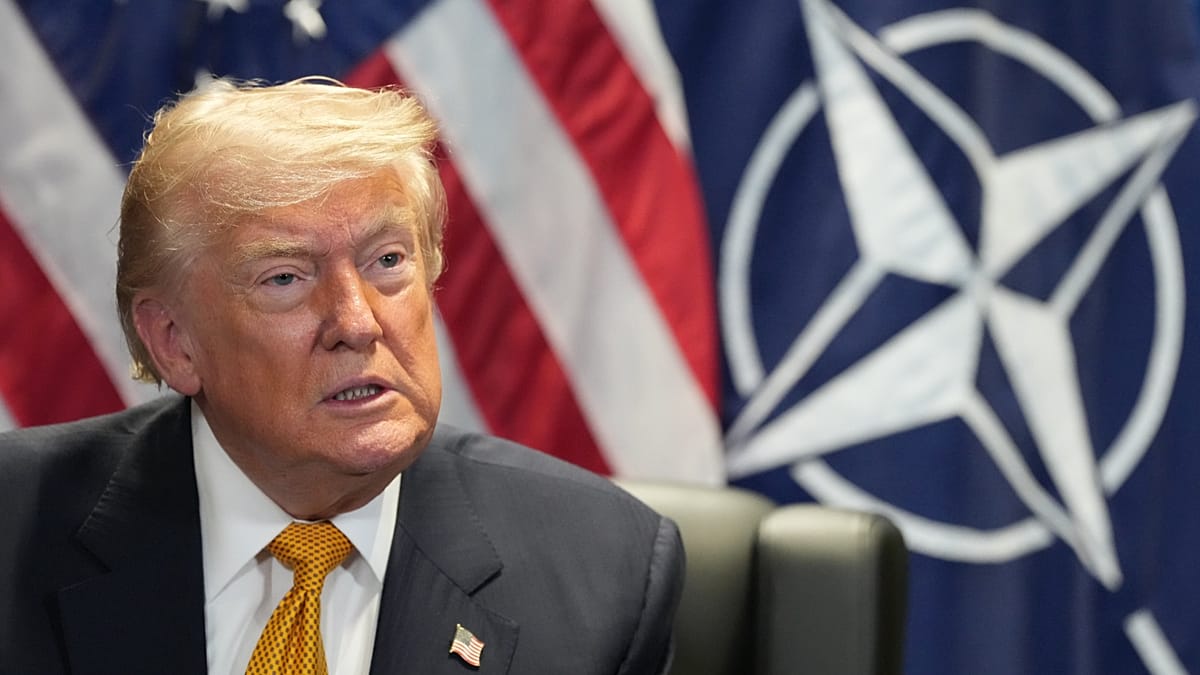
The peace deal itself was announced by US President Donald Trump on his Truth Social platform, and the response from world capitals was swift. Leaders from the European Union to the United Nations issued statements welcoming the breakthrough, reflecting how widely the conflict's fallout had been felt across global supply chains and diplomatic circles. However, the celebration comes with a note of caution: the agreement is not yet formally sealed. A signing ceremony is scheduled for June 19 in Switzerland, chosen for its long-standing role as a neutral venue for sensitive international negotiations. Even after signatures are exchanged, a 60-day window has been built in for further talks to iron out issues that remain unresolved, meaning the truce's durability will only become clear in the weeks that follow.
For India, the coming days will likely involve close coordination with both Washington and Tehran, alongside Gulf partners, to ensure that whatever is signed in Geneva actually holds. While New Delhi was not a party to the negotiations, its economic and strategic exposure to the outcome gives it a genuine stake in the deal's success — even if its "role" so far has been one of vocal support and quiet diplomacy rather than a seat at the table.





Comments