

US Secretary of State Marco Rubio has issued one of Washington's sharpest warnings yet over the Strait of Hormuz standoff, telling Gulf leaders gathered in Bahrain that Iran's plan to impose tolls on ships crossing the narrow waterway would "spread throughout the world like a contagion" and plunge global trade into "total chaos." The remarks, delivered at a Gulf Cooperation Council meeting on Thursday, mark a notable escalation in tone from Washington's top diplomat and underline just how high the stakes have become in the tense standoff between the US and Iran over one of the world's most vital shipping lanes.
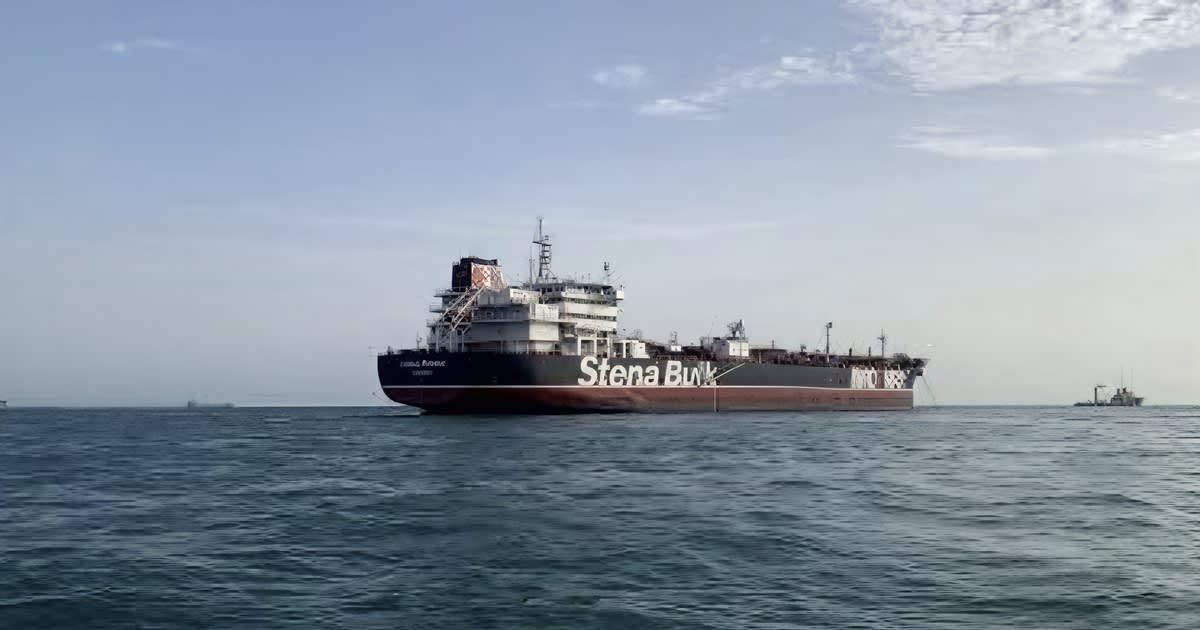
For those unfamiliar with why a strip of water barely 33 kilometres wide at its narrowest point matters so much, the Strait of Hormuz sits between Iran and Oman, linking the Persian Gulf to the Arabian Sea. It is the passageway through which a massive share of the world's seaborne oil and gas exports travel every single day, making it arguably the most strategically sensitive maritime chokepoint on the planet. Any disruption there sends ripples through energy markets, shipping insurance rates, and ultimately fuel prices for ordinary consumers, including in India, which imports a significant portion of its crude oil from Gulf producers and relies heavily on the strait remaining open and free of restrictions.
The friction has intensified after Iran's Islamic Revolutionary Guard Corps (IRGC) declared that the only "authorised" route through Hormuz is the one Tehran itself has announced, effectively asserting greater control over how vessels navigate the strait. Iran has also floated the idea of "maritime service fees," essentially tolls, for ships passing through. The United States has flatly rejected this, arguing that international maritime law does not permit any nation to charge for passage through international waterways that are meant to remain open to all under principles of freedom of navigation.
Rubio's comments in Bahrain sought to strike a balance between diplomacy and deterrence. He reaffirmed that Washington remains "open for peace that is enduring and real," signalling that the US is not seeking further confrontation, but he was equally clear that any arrangement undermining the security of America or its regional allies would not be accepted. This dual messaging reflects the delicate position the US finds itself in, trying to keep negotiations with Tehran alive while reassuring nervous Gulf partners such as Saudi Arabia, the UAE, Qatar, and Bahrain that their interests will not be traded away.
On the ground, the numbers tell their own story. More than 170 vessels have passed through the strait since a US-Iran memorandum was signed, yet shipping traffic remains well below pre-war levels, with hundreds of ships reportedly still queued and waiting to cross. This backlog highlights the real economic cost of the uncertainty, even as diplomatic channels stay technically open.
With the toll dispute now positioned as the central sticking point in talks, the coming weeks are likely to prove decisive. For global markets, and particularly oil-dependent economies like India, the outcome of this standoff over Hormuz could have consequences far beyond the Gulf region itself.









Comments