

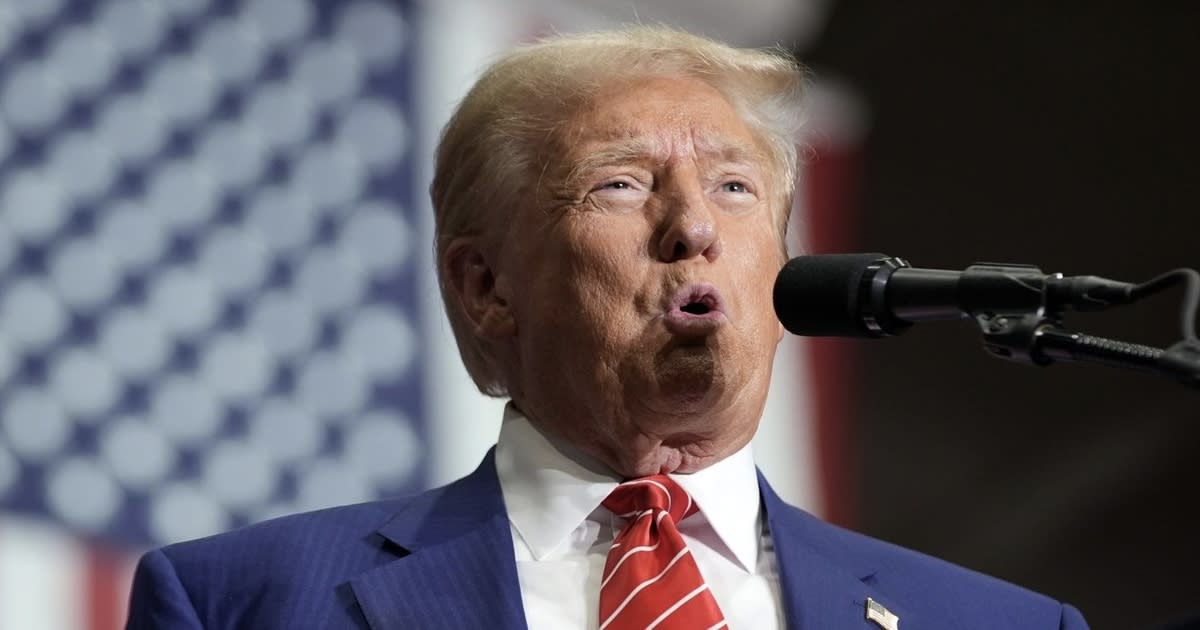
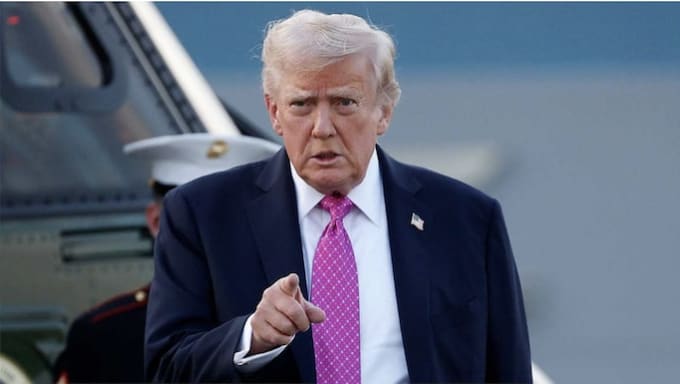
US President Donald Trump has signalled a major shift in Washington's approach to Russian oil sales, telling reporters at the G7 summit in Evian-les-Bains, France, that sanctions on Russian crude which had been quietly relaxed during the recent Iran conflict can now be reimposed. His reasoning was straightforward: with the Strait of Hormuz reopening and oil once again flowing freely from the Gulf, the emergency justification for easing pressure on Moscow no longer holds. Trump said Iran would soon be "back in the rearview mirror," a comment that underlined how quickly the administration's attention is pivoting from the Middle East back to the war in Ukraine.
The backstory here matters. Tensions between Iran and the West escalated sharply in recent months, and at the height of the crisis, roughly 130 million barrels of crude oil were left stranded aboard nearly 200 tankers trapped inside the Gulf, unable to move safely through the Strait of Hormuz — one of the world's most critical chokepoints for oil shipping, through which a huge share of global crude supply typically passes. To defuse the standoff, Trump agreed to a two-week ceasefire with Iran in April, with the reopening of Hormuz built into the terms of that truce. That reopening is now underway, and the backlog of tankers is finally being allowed to move, easing fears of a prolonged supply crunch that had rattled energy markets worldwide.
What makes this moment notable is the quiet policy contradiction it exposes. For months, even as the Trump administration maintained a tough public posture on Russia over the Ukraine war, it reportedly allowed Russian oil exports more room to breathe, a move widely seen as an attempt to keep global crude prices from spiking while the Hormuz crisis threatened to choke off Gulf supply. Keeping Russian barrels in the market acted as a pressure valve at a time when Middle Eastern supply was in doubt. Now that Hormuz traffic is resuming and the tanker backlog is clearing, that rationale evaporates, giving Trump room to talk tougher on Russian oil once again without worrying about triggering a fresh price shock at the pump.
For India, which has emerged as one of the largest buyers of discounted Russian crude since the Ukraine war began, this kind of policy swing is worth watching closely. Indian refiners have built significant trade relationships around cheaper Russian oil in recent years, and any tightening of US sanctions enforcement could ripple through those arrangements, affecting pricing, shipping insurance, and payment routes. Global oil markets, already jumpy from months of Gulf uncertainty, are likely to stay volatile as traders try to gauge how quickly and how strictly Washington intends to reinstate its Russia-related restrictions.
With Hormuz reopening and Iran fading from the headlines, the geopolitical spotlight is shifting back toward the Ukraine war and the question of how much economic pressure the West is willing to reapply on Moscow. Trump's comments in Evian suggest that pressure could return sooner rather than later, even as the practical mechanics of unwinding the sanctions relief remain unclear.










Comments