

Samsung Electronics has just handed out one of the most striking quarterly forecasts in its history, and the numbers tell a story of an industry riding a once-in-a-generation wave. On Tuesday, the South Korean tech giant said it expects operating profit of around 89.4 trillion won, roughly 58.8 billion dollars, for the second quarter of the year. Revenue is projected at 171 trillion won, or about 112.5 billion dollars. The profit figure alone marks an all-time high for the company, and it represents a staggering jump of nearly 19 times compared to what Samsung earned in the same three-month period last year.
The engine behind this extraordinary turnaround is the global race to build artificial intelligence infrastructure. As tech companies around the world pour money into data centers to train and run AI models, demand for memory chips has surged well beyond what many analysts anticipated. Prices for DRAM and NAND, the two workhorse categories of memory chips used in everything from smartphones to servers, have climbed sharply through the year. But the real star of the show has been high bandwidth memory, or HBM, a specialised and more expensive type of chip that sits alongside AI processors and feeds them data at extremely high speeds. HBM has quickly become one of Samsung's most lucrative product lines, and its rise mirrors the broader boom in AI accelerator hardware that companies like Nvidia have popularised.
For an industry that is used to boom and bust cycles stretching over years, the speed of this particular memory upswing has caught even seasoned observers off guard. What makes Samsung's guidance notable is not just the scale of profit but how quickly sentiment shifted, from a period of oversupply and weak pricing to a landscape where AI-driven demand is now outstripping what chipmakers can produce.
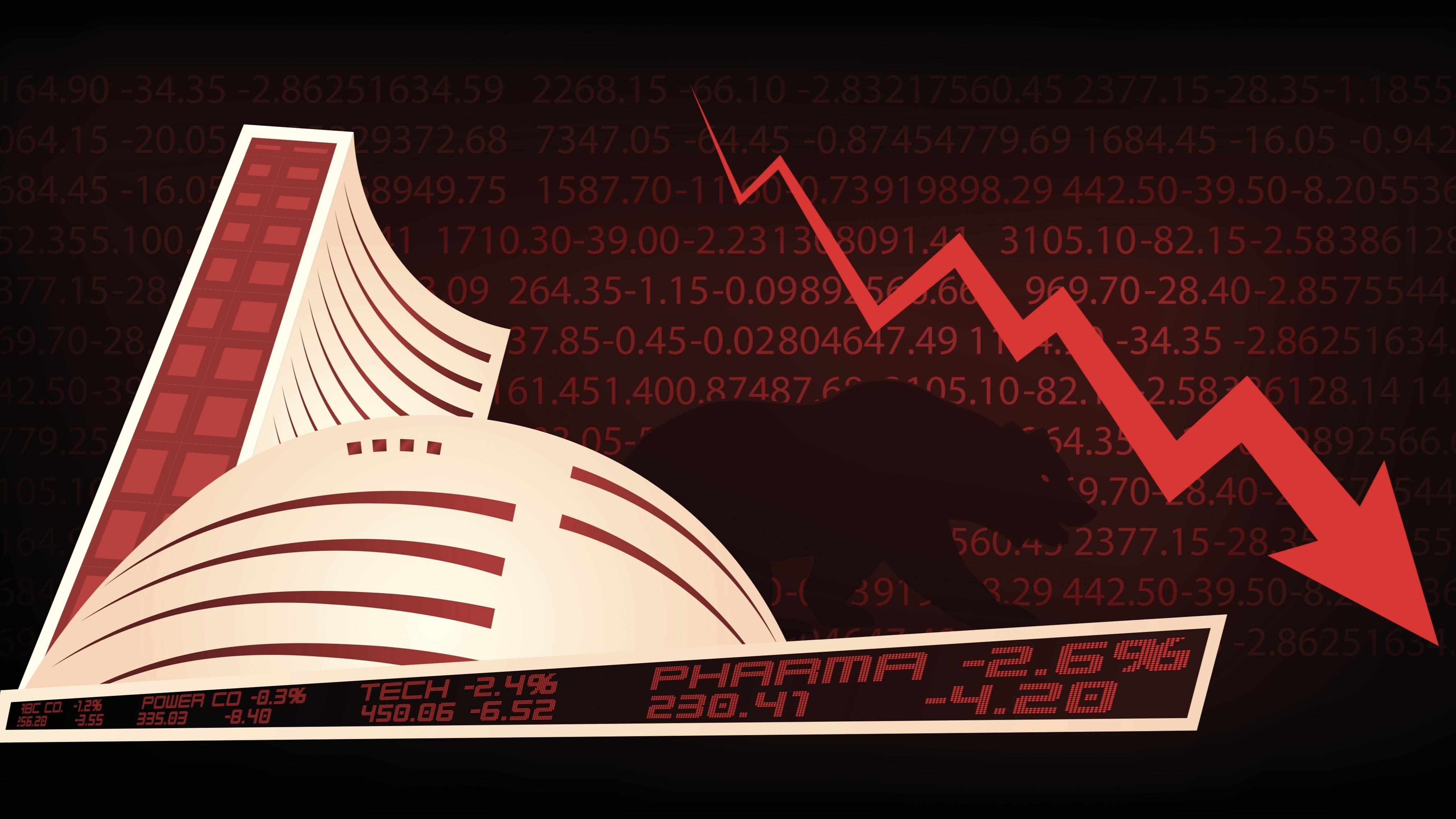
Yet the results were not without a wrinkle. Samsung's revenue estimate came in slightly below what market analysts had expected, with the consensus forecast sitting at around 172.18 trillion won. In other words, Samsung outperformed heavily on profitability while falling just short on the top line. That gap unsettled some investors, and Samsung shares fell more than six percent in early trading as traders appeared to book profits following the announcement, rather than reward the record earnings outright.
Under South Korea's disclosure regulations, listed companies are not permitted to issue an earnings range, which is why Samsung's 89.4 trillion won figure represents the median of its own internal projections rather than a low-to-high estimate. Investors and analysts eager for a more complete picture of how each of Samsung's business divisions, including its memory, foundry, and mobile units, performed during the quarter will have to wait until July 30, when the company is scheduled to release its full second quarter results. Until then, the market is left weighing a simple question: with AI chip demand still accelerating, can Samsung keep posting numbers like this, or was this quarter as good as it gets for now?












Comments