
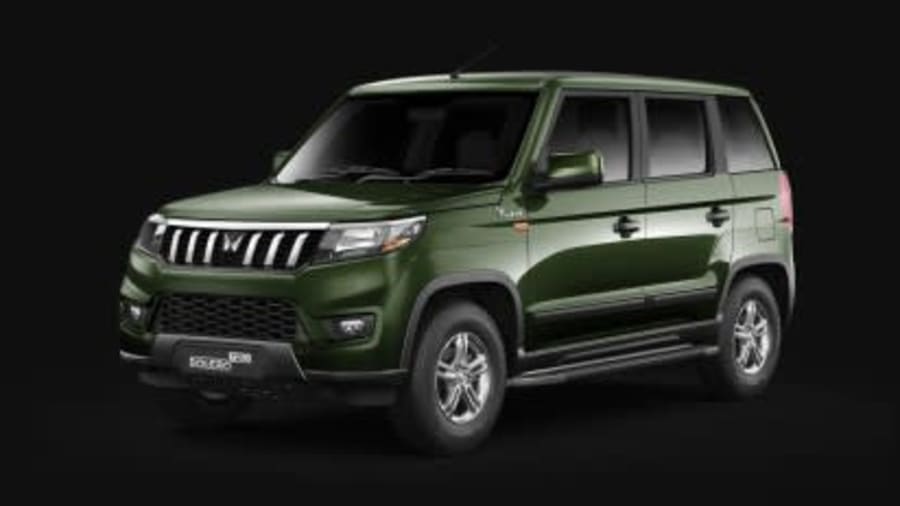
Mahindra & Mahindra, one of India's most trusted names in the SUV and commercial vehicle space, is set to make its vehicles a little heavier on the wallet starting July 10. The homegrown auto major has announced a fresh round of price hikes across its portfolio, with SUVs seeing an average increase of 2.7 percent, while commercial vehicles will also see their own price adjustments. For a company that has built its reputation on rugged, value-for-money vehicles like the Bolero, Scorpio, and XUV series, this move signals that even market leaders aren't immune to the pressures of rising input costs.
This isn't the first time this year that Mahindra has reached for the price lever. In fact, July 10 marks the third such hike in 2026, following earlier increases in April and June. For anyone who has been eyeing a new Bolero or Scorpio, the timing couldn't be more inconvenient, with prices creeping up almost every couple of months. Nalinikanth Gollagunta, who heads Mahindra's automotive division, explained that the company had actually been holding off on this decision for nearly six months before finally deciding it could wait no longer. Interestingly, this restraint came even as some raw material costs had recently started to soften, a detail that adds some nuance to the usual "costs are up" narrative that automakers often lean on.
According to Mahindra, while certain inputs may have eased, overall input costs continue to climb, forcing the company's hand. This is a familiar story across the Indian auto industry, where manufacturers have repeatedly cited steel, aluminium, and other commodity price fluctuations, along with rising logistics and compliance costs, as reasons for periodic price revisions. What makes Mahindra's situation notable, though, is the frequency of these hikes this year, raising questions about whether this is purely a cost-driven exercise or also a reflection of strong pricing power in a market where demand shows no signs of cooling.
And that's really the crux of the matter. Despite the repeated price increases, Mahindra's sales numbers tell a story of anything but a slowdown. SUV sales surged by 28 percent in June compared to the same month last year, a robust figure that suggests buyers are still lining up at showrooms despite paying more. The electric vehicle segment is performing even better, buoyed by a string of new launches and supportive government policies, including Delhi's continued push to promote EV adoption through incentives and infrastructure. This juxtaposition, rising prices alongside rising sales, suggests that Mahindra's brand loyalty and product demand remain strong enough to absorb these increases without denting consumer appetite.
For prospective buyers, the message is clear: vehicles purchased after July 10 will cost more, and dealerships are expected to share exact model-wise price differences in the coming days. Whether this is the last hike of the year remains uncertain, as Mahindra has not committed to holding prices steady through 2026. Given the pattern so far, industry watchers and customers alike may want to keep a close eye on showroom price tags in the months ahead.






Comments