

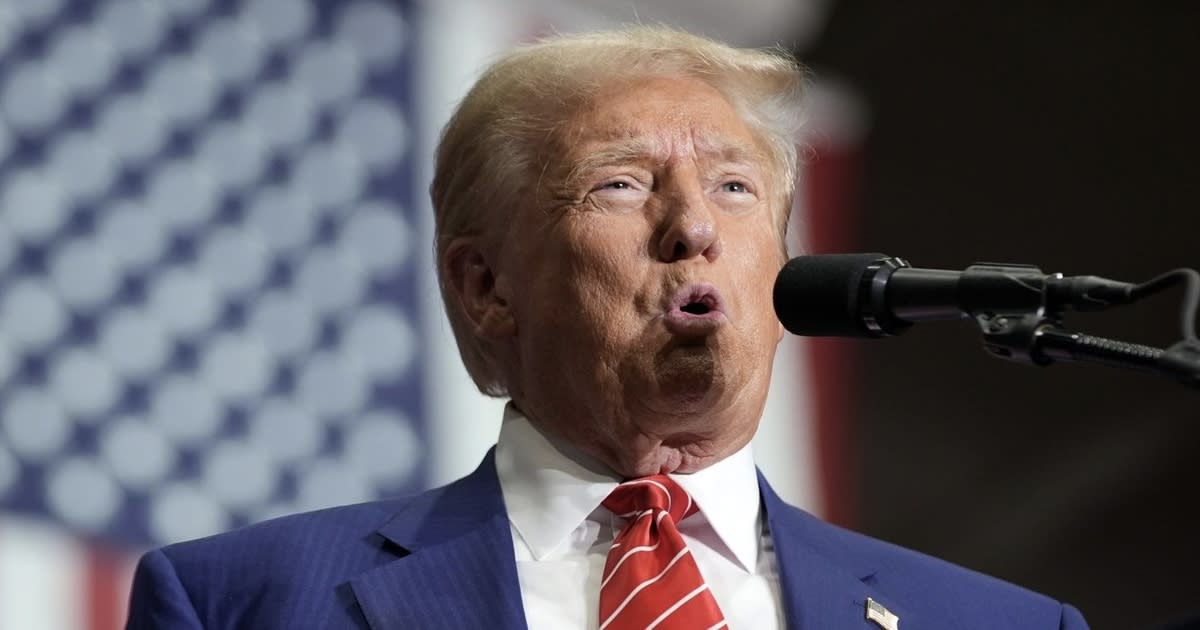
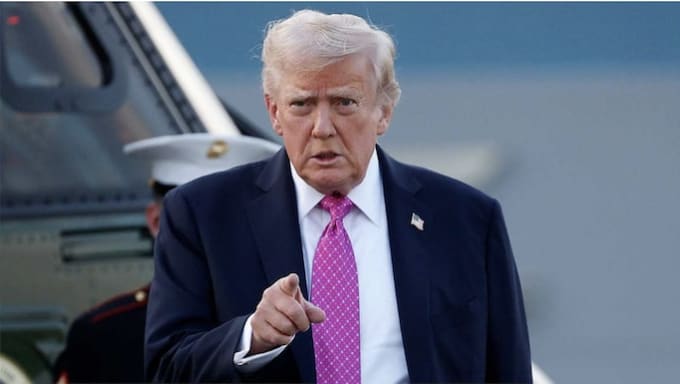
In a dramatic turn of events that has sent shockwaves through global energy markets, US President Donald Trump announced a landmark deal with Iran, ordering the immediate lifting of the American naval blockade that had been enforced around the strategically vital Strait of Hormuz. The announcement, made on his 80th birthday, was accompanied by an exuberant social media post reading "Congratulations to all!" — a celebratory tone that underscored the significance of the diplomatic breakthrough.
The Strait of Hormuz, a narrow but critical waterway separating Iran from the Arabian Peninsula, is one of the world's most important oil chokepoints, with nearly a fifth of global crude supplies passing through it daily. Any disruption to shipping through this corridor has historically sent oil prices soaring, given fears of supply shortages. The blockade had kept markets on edge for weeks, with traders bracing for prolonged volatility. News of its removal therefore triggered an immediate and dramatic market reaction.
Brent crude, the international benchmark for oil prices, tumbled below the $80-a-barrel mark for the first time since early March, sliding more than 3.6% in a single day of trading. The sharp fall reflects how quickly sentiment can shift in energy markets when geopolitical risk suddenly eases. For Indian consumers and businesses, this development carries particular weight, as India remains one of the world's largest importers of crude oil, and any softening in global prices typically has ripple effects on domestic fuel costs, inflation, and the broader economy.
However, the celebration may be premature for those hoping for instant relief at the pumps. Iran's deputy foreign minister, appearing on state television, confirmed that Tehran had indeed reached an agreement with Washington, but added an important caveat — the deal would not be formally implemented until it is officially signed on Friday. This means that while markets have already priced in the anticipated de-escalation, the actual, on-the-ground easing of tensions and normalization of shipping routes through the Strait will only begin once the ink is dry on the formal agreement.
This gap between announcement and implementation is not unusual in high-stakes international diplomacy, where verbal agreements often require formal documentation, verification mechanisms, and coordination between multiple stakeholders before they can be considered binding. Analysts will likely watch closely in the coming days to see whether the Friday signing proceeds smoothly, as any last-minute complications could quickly reverse the optimism currently buoying markets.
For now, energy traders, policymakers, and consumers across the globe — including in India, where fuel price movements are tracked closely by both households and industry — will be watching the calendar as much as the markets, waiting to see whether Friday's formal signing delivers on the promise of today's dramatic price drop.











Comments