

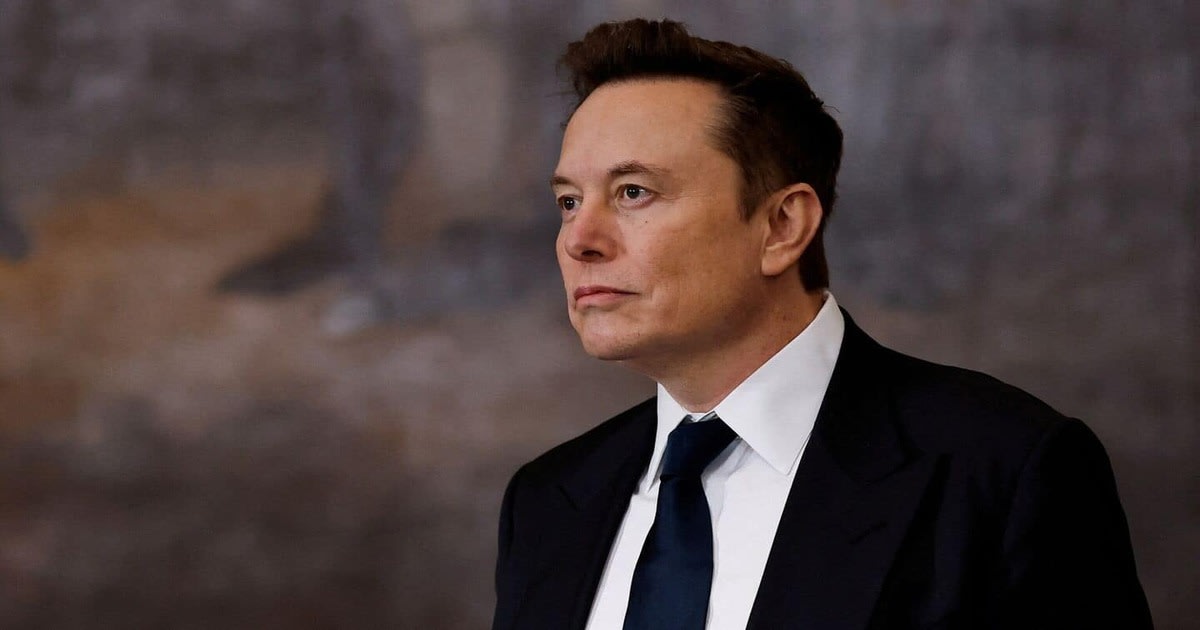
An angry tweet, a blunt reply, and a multi-billion-dollar business decision — that's the sequence of events many now point to when explaining why two of the world's most valuable companies packed up and left California for Texas. The episode began when a California labour union leader publicly tweeted "F--Elon Musk," a jab aimed at the billionaire entrepreneur amid ongoing tensions between Musk and state officials over pandemic-era business restrictions. Musk, never one to let a public insult pass quietly, responded the very next day with a terse two-word message: "Message received." What followed was far from symbolic. Within a short span, Musk relocated the headquarters of both Tesla and SpaceX out of California and into Texas, a move that sent shockwaves through the state's business and political establishment.
The financial and symbolic fallout was so significant that commentators began referring to the union leader's tweet as possibly the costliest tweet in California's history — and notably, few have pushed back on that characterization. Losing the headquarters of two globally influential companies isn't just an emotional blow; it represents lost jobs, lost tax revenue, and a dent in California's long-standing reputation as the undisputed capital of American innovation and entrepreneurship.
Dr. Wayne Winegarden, a economist who has closely studied business climates across states, described the incident as "exhibit A of why you don't want to chase away businesses." His comment underscores a broader point that extends beyond Musk's personal feelings: California's business environment had already been under scrutiny for its high corporate taxes, stringent regulations, and rising cost of living — all factors that make relocation to states like Texas, with its lower tax burden and lighter regulatory touch, an increasingly attractive option for major corporations.
In that sense, the tweet may have been the spark, but the underlying conditions — steep state taxes, expensive real estate, and what many business leaders call punitive operating costs — did much of the real work in pushing Musk toward the exit. It's a pattern policy analysts have flagged for years: high costs of doing business eventually push companies toward friendlier jurisdictions, and a public relations flashpoint can simply accelerate a decision that was already brewing.
That said, the departure wasn't a complete severing of ties. SpaceX continues to maintain a substantial presence in California, with over 7,600 employees still working out of its Hawthorne facility, one of the company's most important manufacturing and engineering hubs. This nuance is significant — it shows that while headquarters and symbolic operations moved to Texas, the state didn't lose the entirety of Musk's business empire overnight.
Still, the episode has become something of a cautionary tale, frequently cited in discussions about how public friction between business leaders and local officials or labour representatives can carry outsized consequences. For India's own booming tech and startup ecosystem, the story offers a reminder of how quickly business sentiment can shift — and how costly it can be when governments, unions, or public figures underestimate the sensitivities of the world's most powerful entrepreneurs.














Comments