

Why Won't Protesters Back Down Despite Modi's Promise?
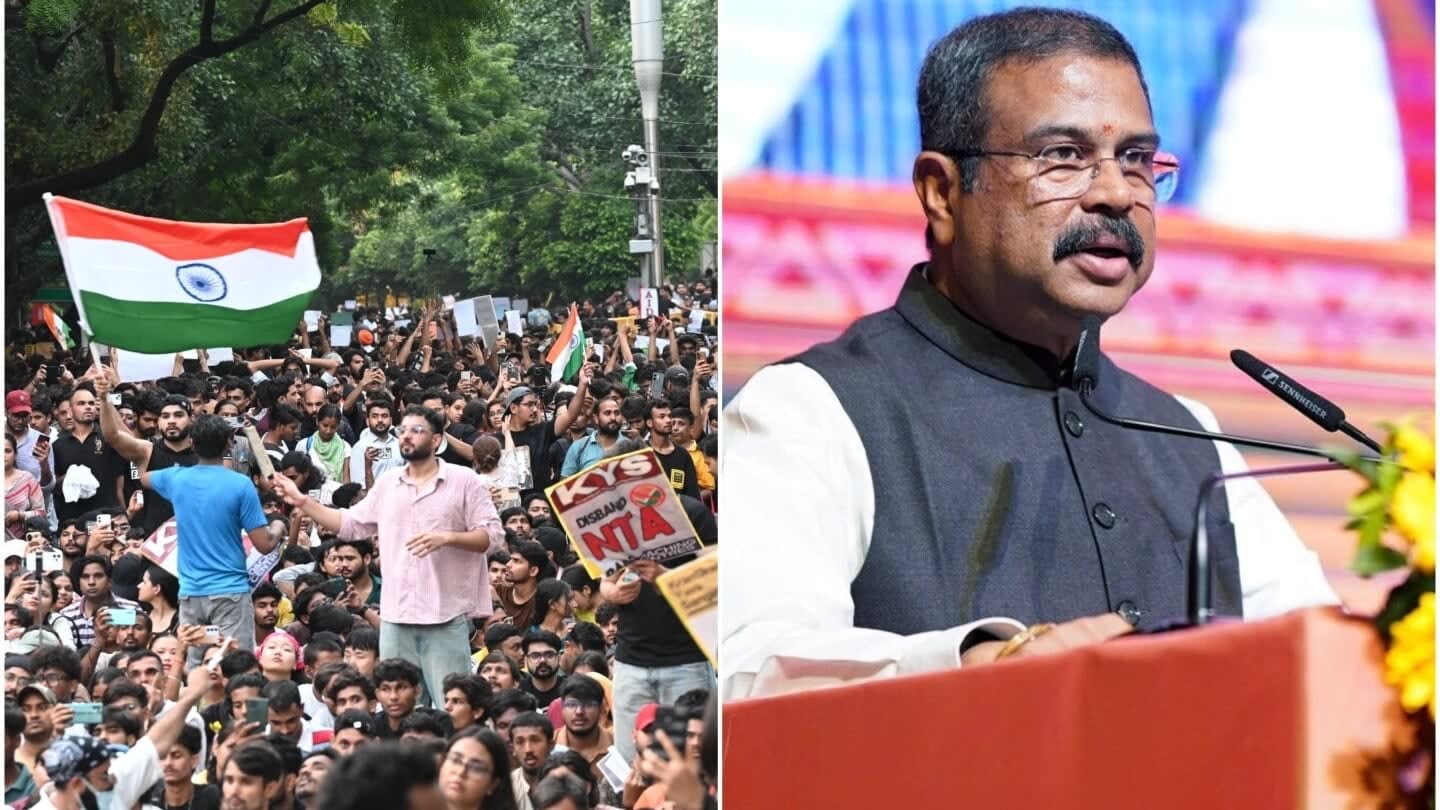
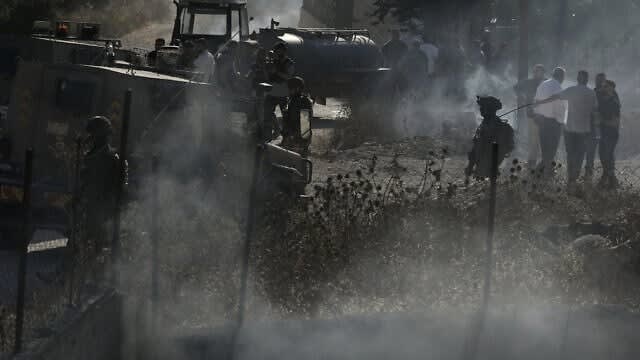
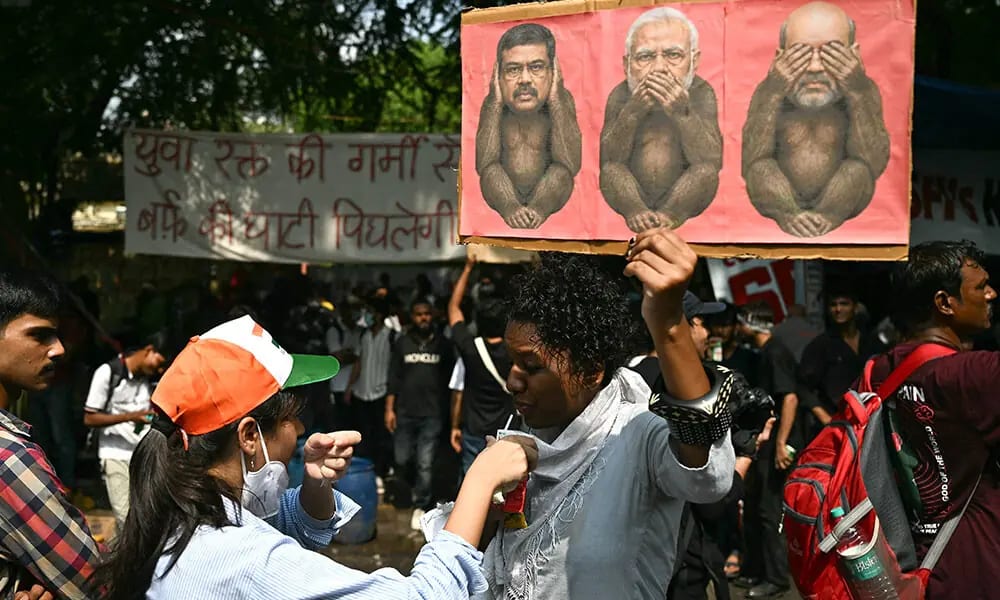
The streets of Delhi remain abuzz with the sound of protests, a testament to the unrelenting anger of thousands of students and activists demanding justice for those affected by India's exam paper leaks. On Tuesday, thousands packed Jantar Mantar, just a day after violent clashes with police left nearly 180 people injured – 118 security personnel and 60 protesters.
A Promise Falls Flat
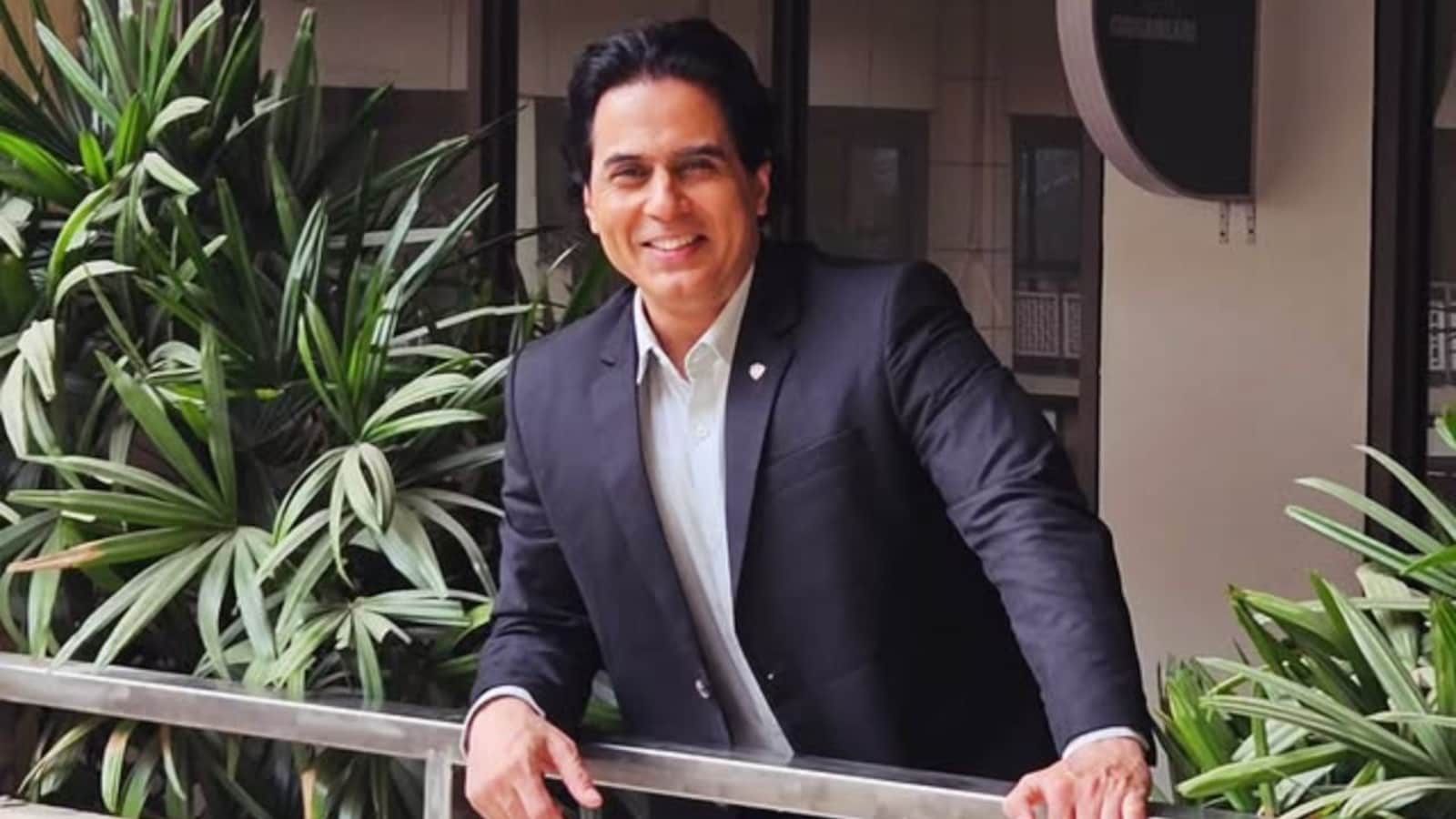
Prime Minister Narendra Modi's promise of action against those responsible for the leak, made on Monday, has seemingly fallen on deaf ears. The protesters refused to back down, with more than 5,000 people showing up at Jantar Mantar to continue their demands. Among them was CJP founder Abhijeet Dipke, who began an indefinite hunger strike in solidarity with fellow activist Sonam Wangchuk, who was forcibly removed from the protest site and hospitalized.
The CJP itself is a relatively new outfit, founded by Dipke this year as a response to India's chief justice remark about jobless youth. The name "Cockroach" (CJP) was initially meant as an insult but has since become a badge of survival for the organization. Opposition leader Rahul Gandhi joined the protest outside Modi's residence, accompanied by his sister Priyanka Gandhi Vadra and other Congress workers.
The image of the Gandhis sitting in protest is one that doesn't exactly help the government's case, despite ministers' attempts to spin the narrative on television.
A Scandal with Devastating Consequences
The exam paper leak has had far-reaching consequences, affecting approximately 2 million young people who sat for the medical entrance exam. According to Indian media reports, roughly a dozen students took their own lives after the leak was revealed. Court proceedings related to the scandal are ongoing, with student groups issuing warnings of further protests if their demands aren't met.
Modi's comments on the matter, relayed by a cabinet minister, marked his first public response since the leak was discovered in May. The Prime Minister called for a joint effort to establish a foolproof examination system and urged opposition parties to work with the government instead of against it. However, protesters at Jantar Mantar are less interested in a revamped system and more focused on ousting Education Minister Dharmendra Pradhan – a demand that has remained unchanged since Monday.
The Youth Anger Crisis
India's youth anger over the exams has turned into one of Modi's biggest problems during his third term so far. The protests, which began in May and have continued with renewed vigor this week, highlight the deep-seated concerns of students who feel their education and future are being compromised by a flawed system.
Modi's promise to address the issue has been met with skepticism by protesters, who view it as an empty gesture. The Prime Minister's call for opposition parties to collaborate with his government is seen as a tactical ploy to deflect attention from the root cause of the problem – corruption and inefficiency within the education system.
What Next?
The protests at Jantar Mantar are likely to continue, with student groups warning of further action if their demands aren't met. The Indian government will need to take concrete steps to address the concerns of protesters, including ensuring accountability and transparency in the examination process.
As the situation unfolds, one thing is clear – India's youth will not back down until they see meaningful change. Will Modi's government finally listen and act on their demands? Only time will tell.


Comments