

Did Burnham Just Pick the Wrong Chancellor for Markets?
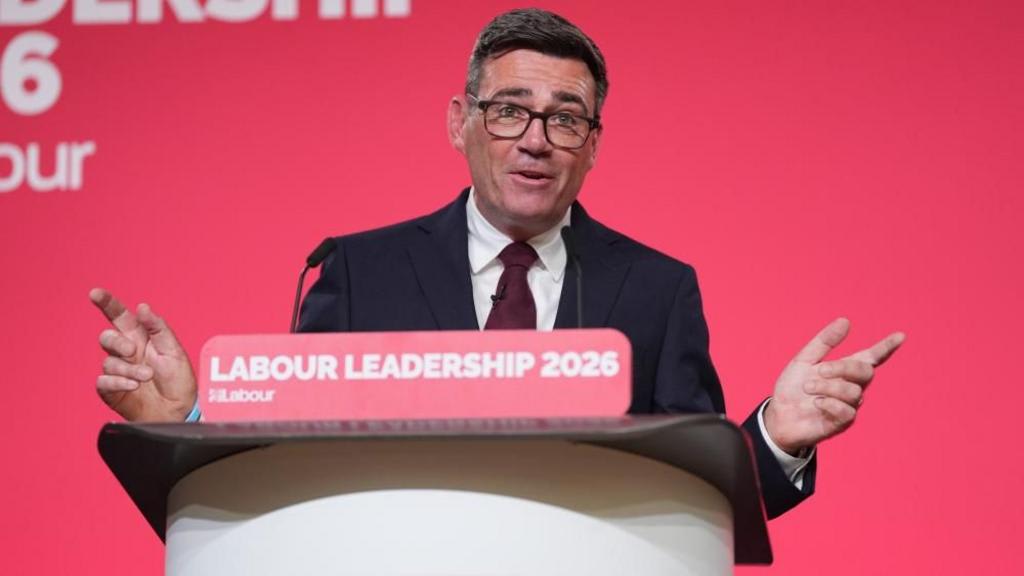
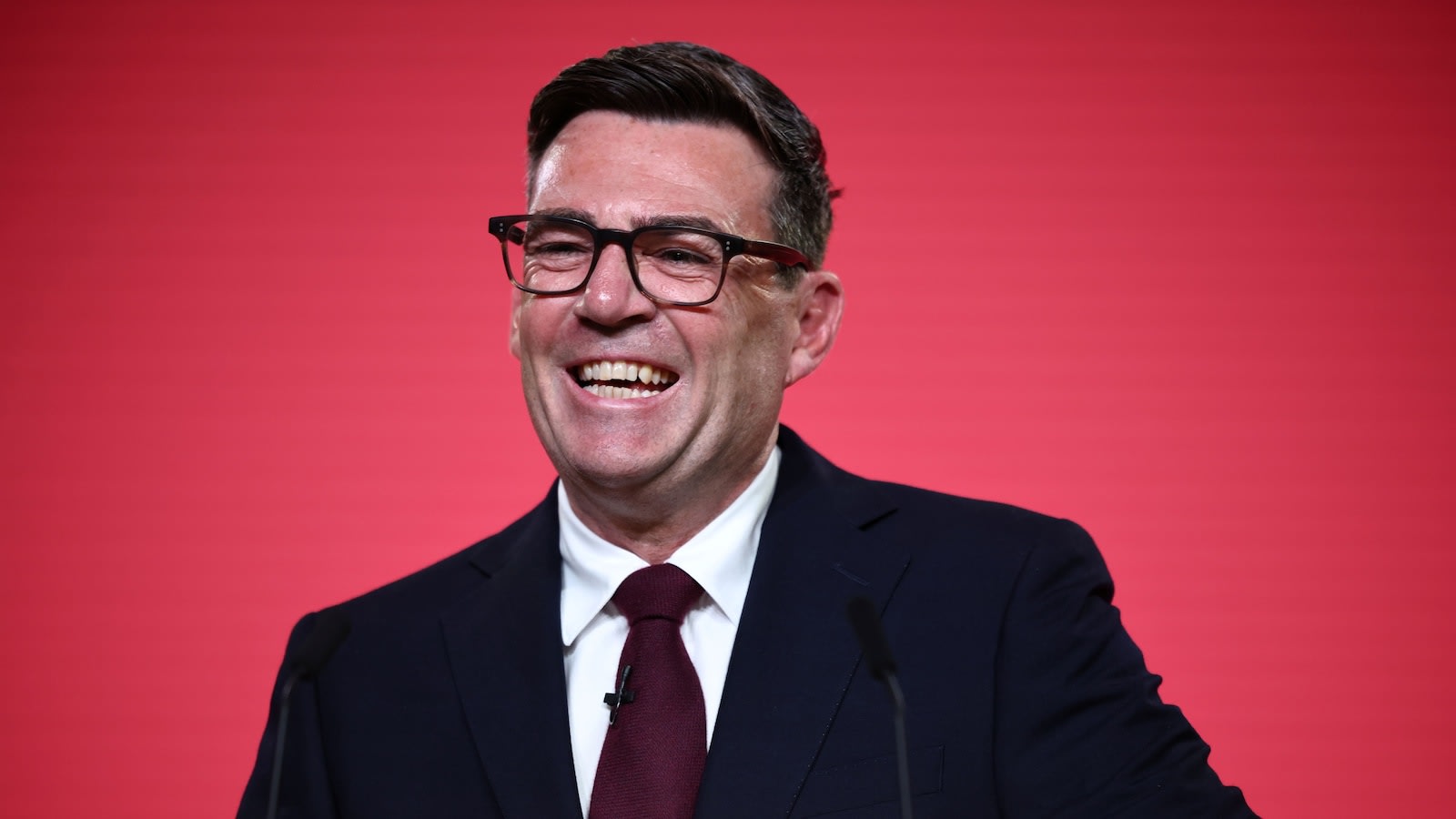
The appointment of John Healey as Chancellor of the Exchequer by new Prime Minister Andy Burnham has sent shockwaves through financial markets. The move, which was met with surprise and skepticism from investors, has raised concerns about the UK's fiscal policy and its potential impact on the economy.
A New Face at the Treasury
Healey, a former Defence Secretary, is not exactly an insider in the world of finance. His sudden departure from the Labour Party just weeks ago, reportedly due to disagreements with Burnham over economic policy, has led many to question his suitability for the role.
"This was not the favourite going into the decision," said Francesco Pesole, a strategist at ING. "Shabana Mahmood and Ed Miliband were both considered more likely candidates, but in the end, Burnham went with Healey."
The Market's Reaction
On Tuesday, the pound and bond market both settled down slightly after Healey's appointment was announced. Sterling rose about 0.15% against the dollar to $1.3451, clawing back ground lost over the previous three days.
The yields on 10-year gilts also slipped by a single basis point to 5.025%, a small move but one that traders noticed after days of nervous trading. Pesole noted that "the pound needs the bond market to properly settle down before it can build any real momentum."
A Skeptical Market
Investors are worried about Healey's ability to manage the UK's finances, particularly given his previous disagreements with Burnham over economic policy. The fact that foreign investors hold roughly 30% of the UK government's debt also adds to the pressure on Healey.
"Rack up three trillion pounds of debt and it's your lenders, not you, who end up calling the shots," said one market watcher, highlighting the risks associated with high levels of public borrowing.
Fresh Figures Paint a Mixed Picture
Just as Healey was taking up his new role, fresh figures showed that wage growth held steady at 3.4% in the three months to May, meeting economists' expectations.
Public borrowing also came in lower than expected, at £16 billion in June, thanks to stronger tax receipts and reduced spending on inflation-linked debt.
A Difficult Task Ahead
Healey now faces a daunting task: finding money for Defence and a sluggish economy while trimming the welfare bill, all without breaking Burnham's promise to stick to the fiscal rules. Investors worry that Burnham's left-leaning tendencies could lead to higher taxes and slower growth ahead.
The Implications of Burnham's Leadership
Burnham's appointment as Prime Minister has raised concerns about his economic policy, with many worrying that he leans further left than his predecessor, Keir Starmer. This could mean a shift towards higher taxes and more government intervention in the economy.
A Delicate Balance
As Healey takes up his new role, he will need to navigate the complexities of UK economic policy while also managing the expectations of investors. With foreign investors holding a significant portion of the UK's debt, any misstep could have far-reaching consequences for the economy.
A New Era in Fiscal Policy?
Healey's appointment marks a new era in fiscal policy under Burnham's leadership. As he navigates the challenges ahead, one thing is clear: investors will be watching closely to see how he manages the UK's finances and whether he can deliver on his promise to stick to the fiscal rules.









Comments