

Oil Takes Center Stage in Global Markets
The global economy is no stranger to uncertainty, but of late, it's oil that's been the main driver of market movements. As investors weigh the latest developments in the Middle East against the escalating tensions between the US and Iran, the price of Brent crude has taken a backseat to the world of geopolitics. While hopes for a ceasefire continue to circulate, traders are well aware of the fragile nature of these negotiations.
Just last week, Brent crude hit a one-month high, only to retreat in response to fresh promises of peace. Yemen's Houthi rebels have even threatened to impose a naval blockade on Saudi Arabia, a move that could send oil supplies into another tailspin. But amidst all this uncertainty, it was the news of Tehran receiving a proposal for a 10-day ceasefire from mediators that stole the spotlight.
The resulting drop in oil prices had a ripple effect across markets, with traders piling back into beaten-down Asian chip stocks. South Korea's KOSPI saw a significant jump of almost 5% on the day, despite being down 19% for July. It's a testament to the resilience of these economies that they can remain up 62% for the year, even in the face of such challenges.
The Iran-Iraq Conflict: A Brewing Storm
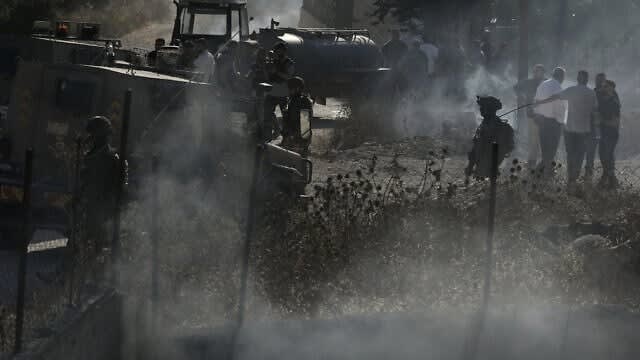
The recent escalation between the US and Iran has rekindled inflation worries and pushed yields higher. The situation is complex, with both countries vying for control in the region. The conflict has already had a significant impact on global markets, and it's clear that oil prices will continue to be a major factor.
Despite the fragile nature of these negotiations, investors remain optimistic about a potential ceasefire. But as we've seen before, hope can quickly give way to despair. It's essential for traders to remain vigilant and adapt to changing circumstances.
The UK Economy: A New Prime Minister and New Challenges
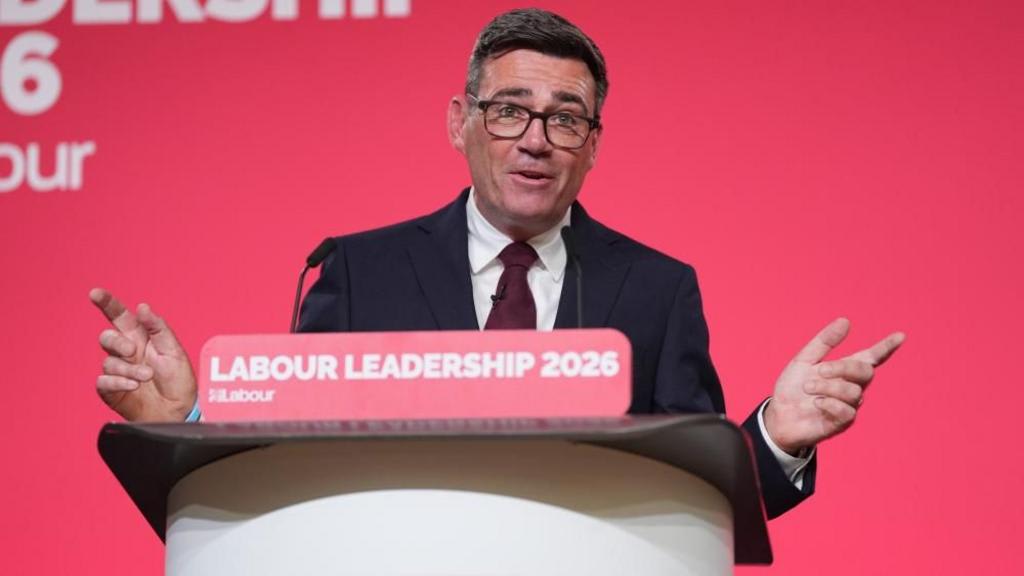
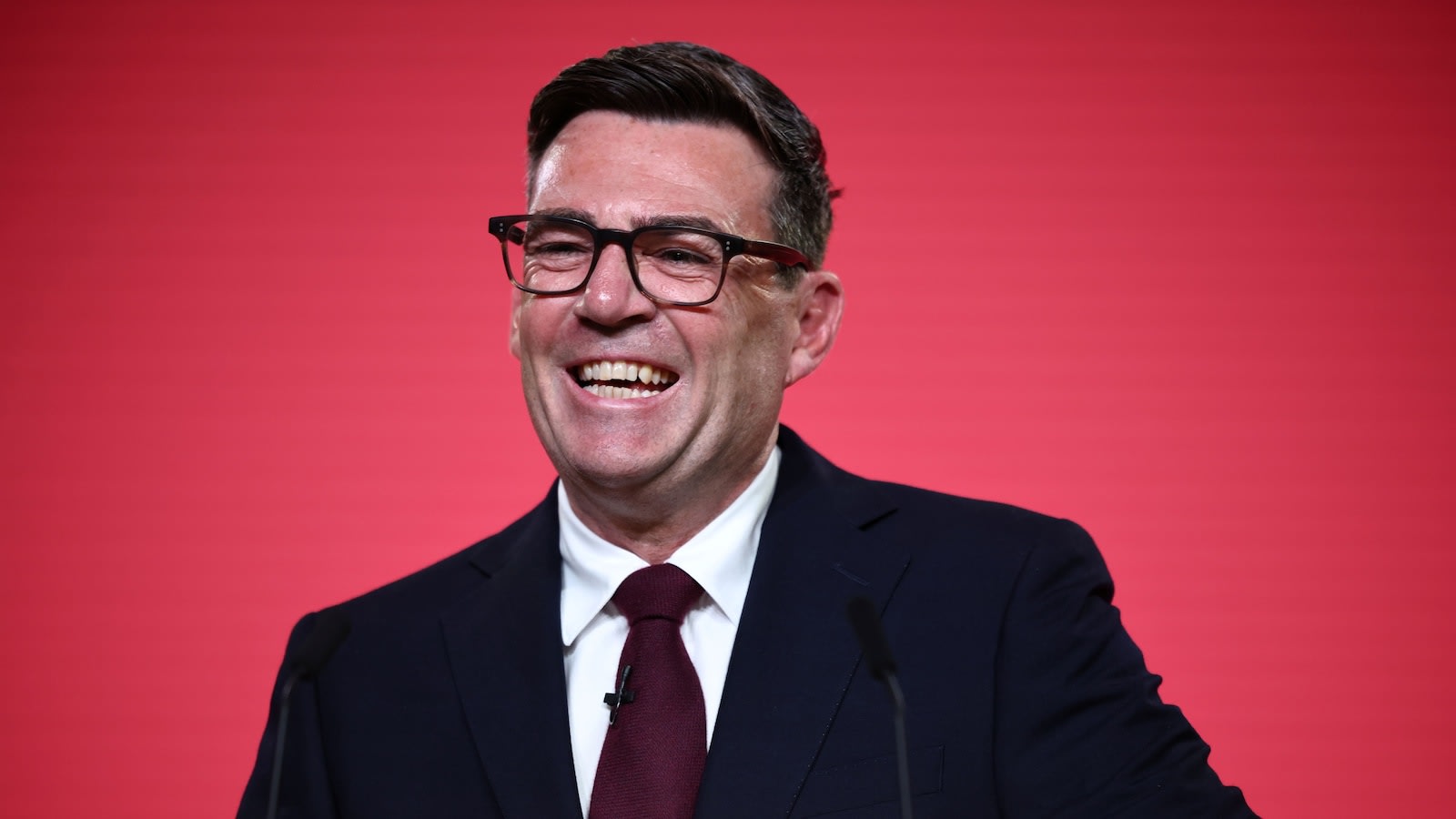
In other news, Britain's newest prime minister, Andy Burnham, made his mark on markets with a statement that sent the pound and British government bonds sliding. He announced that he would stick to the previous government's fiscal rules but use whatever flexibility they allow.
This move has significant implications for the UK economy and will be closely watched by investors. The recent escalation in tensions between the US and Iran has already pushed up inflation worries, and this development adds another layer of uncertainty to the mix.
Market Sentiment: Fragile but Hopeful
The recent developments have left market sentiment fragile, even with a possible Iran ceasefire on the table. European futures slipped 0.3% on Tuesday, a testament to the ongoing worries about inflation and yields.
But despite these challenges, investors remain hopeful about the future. The UK's wage data will be closely watched this week, alongside earnings from Julius Baer and Novartis. It's clear that markets are looking for any sign of stability in an otherwise turbulent landscape.
A New Normal?
As we navigate these uncertain times, it's essential to remember that the global economy is no stranger to shocks. The recent escalation between the US and Iran has reminded us all of the power of geopolitics in shaping market movements.
The price of oil may be volatile, but it's a reminder that even in these chaotic times, there are still opportunities for growth and profit. Traders would do well to remain vigilant, adapt to changing circumstances, and keep their eyes on the horizon – for it's often in the darkest of times that the greatest opportunities arise.






Comments