

Did Houthi Missiles Just Open a Second Front in the Iran War?
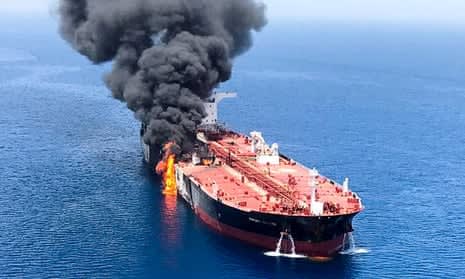
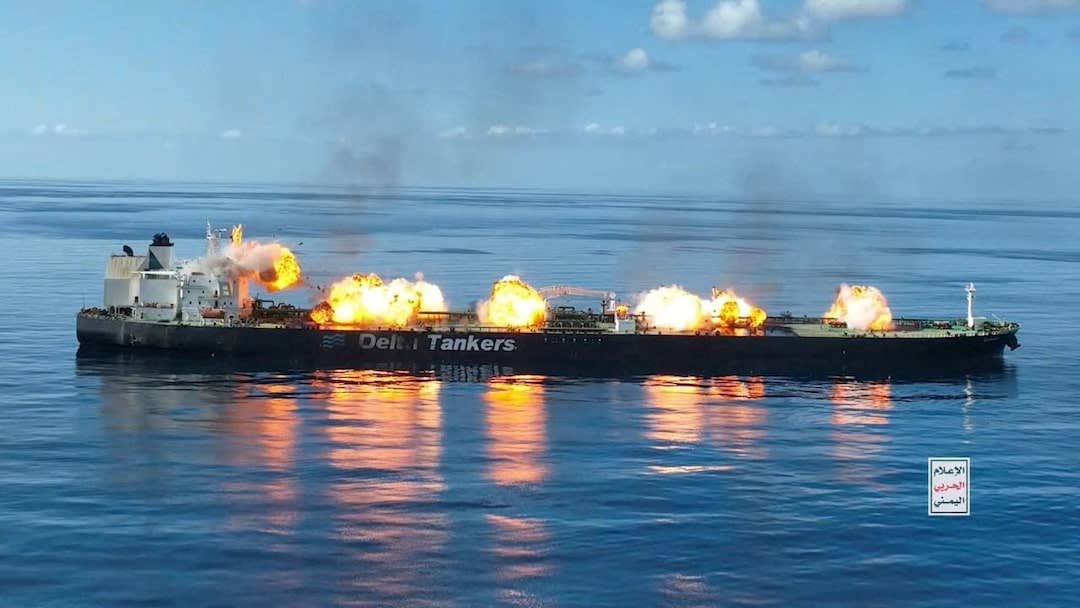
The ongoing conflict between Saudi Arabia and Yemen's Houthi rebels has just taken a dramatic turn, with reports emerging that the Houthis have launched missile strikes against two Saudi oil tankers in the Red Sea. This development has raised concerns about a potential new chokepoint in the war with Iran, and is likely to increase tensions in the region.
The Houthi military spokesman, Yahya Saree, announced on Wednesday that the group had struck the ENCELA and LAYLIA oil tankers using a mix of ballistic missiles, cruise missiles, and drones. According to Saree, fires broke out on both vessels, and the Houthis claim that they have already forced nearly ten ships to turn back rather than sail through the Red Sea due to threats made by the group.
The Houthi's stated goal is simple: to force Saudi Arabia to lift its restrictions on ports and airports in Houthi-held parts of Yemen. The trade that they want, which has been severely curtailed by the blockade, includes oil exports and other essential goods. By targeting Saudi oil tankers, the Houthis are trying to put pressure on Riyadh to reconsider its policies.
The timing of this attack is not an accident. Iran has already hit tankers in the Strait of Hormuz this month, and Saudi Arabia had been quietly routing crude through the Red Sea port of Yanbu to avoid that mess. With oil prices climbing above $91 per barrel on the news, it's clear that this development has significant implications for global markets.
The Bab el Mandeb Strait: A New Front in the War?
The Bab el Mandeb strait, which separates Yemen from Djibouti and connects the Red Sea to the Gulf of Aden, is now a major concern. With tensions rising between Saudi Arabia and Iran, this narrow waterway has become a potential flashpoint. The strait is only 18 miles wide at its narrowest point, making it an extremely vulnerable chokepoint.
The fact that nearly ten ships have already turned back rather than sail through the Red Sea due to Houthi threats suggests that the situation is increasingly precarious. Shipping notices from Bahrain confirm this trend, and it's likely that many more vessels are quietly rerouting without anyone even counting them.
What Does This Mean for Global Markets?
The impact of this development on global markets cannot be overstated. Oil prices have already begun to rise in response to the news, with Brent crude climbing above $91 per barrel. This increase is likely to have far-reaching consequences for economies around the world, particularly those that rely heavily on oil imports.
The fact that Saudi Arabia has been quietly routing crude through the Red Sea port of Yanbu suggests that they were already anticipating this development. However, with Iran's own attacks in the Strait of Hormuz, it's clear that the situation is becoming increasingly complex and precarious.
Will This Development Escalate the Conflict?
The question on everyone's mind is whether this development will escalate the conflict between Saudi Arabia and Iran. While it's impossible to predict with certainty, one thing is clear: the Houthis have opened a new front in the war, and the consequences are likely to be far-reaching.
With tensions already running high, it's possible that this development could lead to further escalation. The fact that Saudi Arabia has been quiet on the matter so far suggests that they may be trying to downplay the situation, but it's clear that the Houthis have made their intentions known.
The Future of the War: What Next?
As the conflict between Saudi Arabia and Iran continues to unfold, one thing is certain: the stakes are high. With oil prices rising and tensions escalating, it's clear that this development has significant implications for global markets and economies around the world.
The Houthis have opened a new front in the war, and it remains to be seen whether this will lead to further escalation or a shift in strategy. One thing is clear, however: the situation is becoming increasingly complex and precarious, and the consequences are likely to be far-reaching.







Comments