

Why Are Oil Tankers Suddenly Turning Back in the Red Sea?
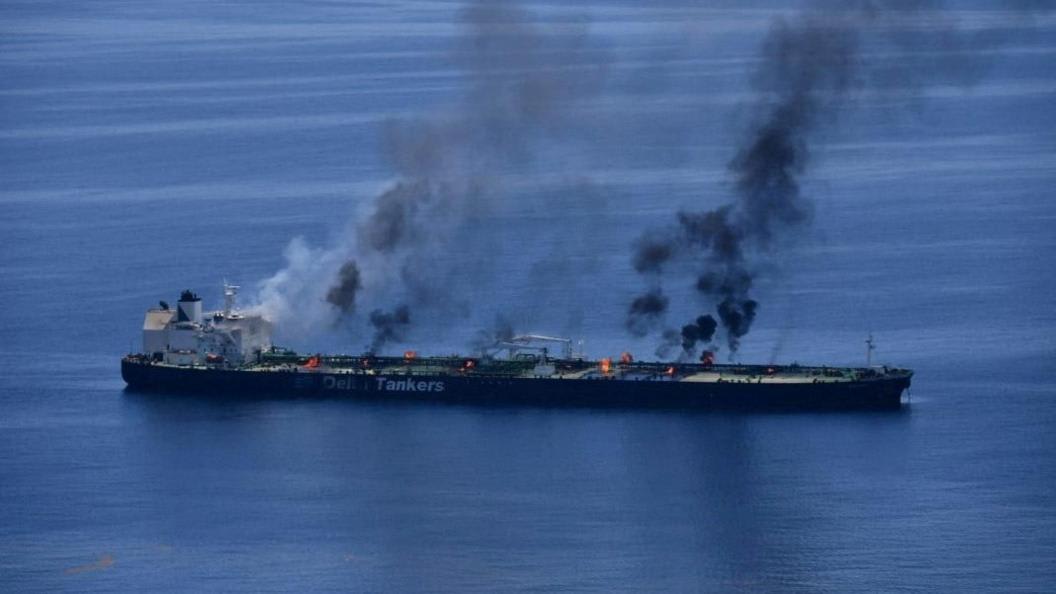
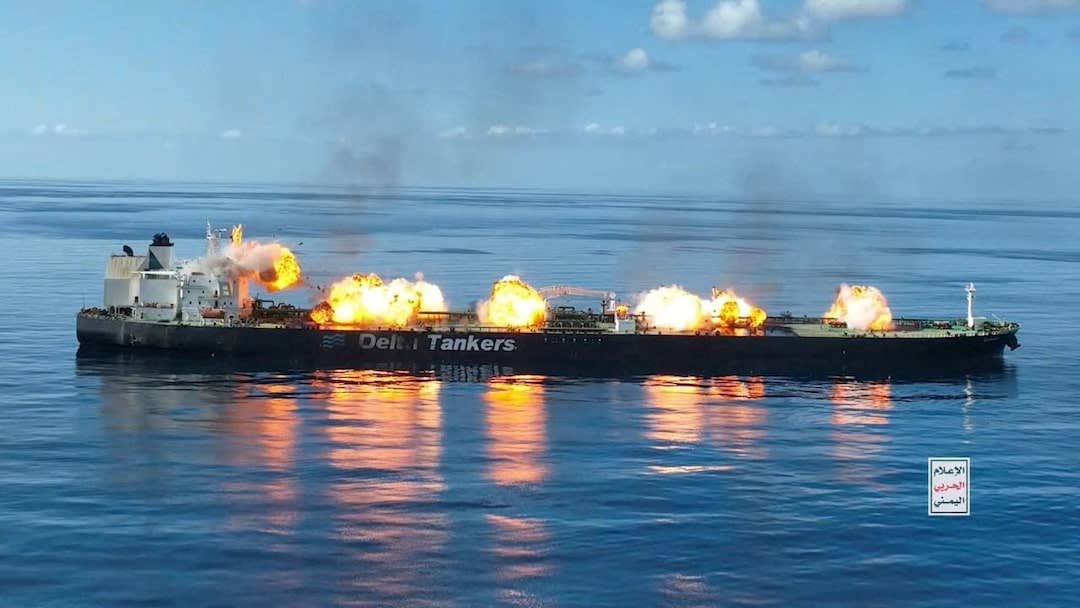
The recent surge of oil tanker U-turns in the Red Sea has sent shockwaves through the global energy market, sparking concerns about the impact on supply chains and prices. On Wednesday, four more tankers hauling Saudi crude made a sharp U-turn in the Red Sea, just one day after three others did the same thing. This sudden change of direction is not an isolated incident, but rather a symptom of the escalating tensions between Iran and its adversaries.
The Houthi Threat: A Major Factor in the Tanker Disruptions
The Yemen-based Houthi rebels have been at the forefront of this crisis. The group has threatened to choke off Saudi shipping through the southern route out of the Red Sea, which has forced oil tankers to change course and reroute their shipments through the Suez Canal. This detour not only adds weeks to delivery times but also increases costs for oil producers and consumers alike.
The Houthi threat is closely tied to Iran's influence in the region. As a key supporter of the Houthi rebels, Tehran has been accused of using its proxies to disrupt global energy supplies. The recent U-turns by oil tankers are just the latest example of this strategy in action.
US-Iran Tensions Escalate
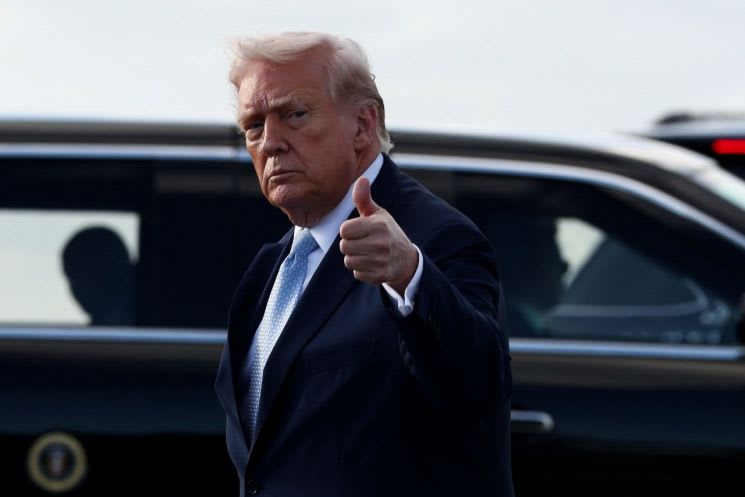
The situation took a dramatic turn on Wednesday when US Secretary of State Marco Rubio expressed frustration with Iran's lack of seriousness about ending the war. Speaking at a gathering of Southeast Asian foreign ministers in Manila, Rubio warned that if Tehran is not genuinely committed to talks, the US will take necessary measures to protect its interests and those of its allies.
Rubio's comments came as tensions between the US and Iran continued to escalate. In recent days, US strikes on Iran have expanded beyond the southern regions to central and western parts of the country. Tehran has retaliated with attacks on water desalination plants and energy facilities in Kuwait, as well as claims that it has targeted American assets.
A Ten-Day Ceasefire Proposal: A Glimmer of Hope?
On Monday, mediators floated a proposal to Iran for a ten-day ceasefire. According to a senior Iranian official who spoke to Reuters, the offer was made in an effort to de-escalate tensions and provide breathing room for negotiations.
Some analysts believe that Tehran's recent actions are part of a larger strategy to build leverage before sitting down at the negotiating table. Mahmoud Shehrah, an associate fellow at Chatham House's Middle East and North Africa program, suggests that Iran is trying to create pressure on its adversaries through a combination of military operations and diplomatic posturing.
However, others argue that Tehran's actions are simply a manifestation of its desire for greater influence in the region. With the Houthi threat now being used as a tool to disrupt global energy supplies, it remains unclear whether Iran is genuinely committed to talks or merely using tactics to advance its interests.
The Impact on Oil Prices
As tensions between the US and Iran continue to escalate, oil prices have surged to new heights. Brent crude climbed past $91 a barrel in Asian trading on Wednesday, while gasoline prices in the US pushed above $4 a gallon.
Saudi Arabia has managed to avoid some of the pain by piping oil overland to Yanbu on the Red Sea, bypassing the Hormuz Strait altogether. However, this workaround is now being squeezed by the Houthi threat, with tankers reversing course for a second straight day and no sign yet that either side is ready to blink.
A Messy Situation
The recent tanker disruptions in the Red Sea are just one symptom of a larger crisis that has engulfed the global energy market. With tensions between the US and Iran showing no signs of abating, it remains to be seen how this situation will unfold. One thing is certain, however: the stakes are high, and the consequences of miscalculation could have far-reaching implications for the global economy.
As the world watches with bated breath, one thing is clear – the current state of affairs in the Red Sea is a messy one, with no easy solutions in sight. Will Iran and its adversaries find a way to de-escalate tensions, or will this crisis continue to escalate? Only time will tell.






Comments