

Who Is The Student Behind India's Cockroach Party?
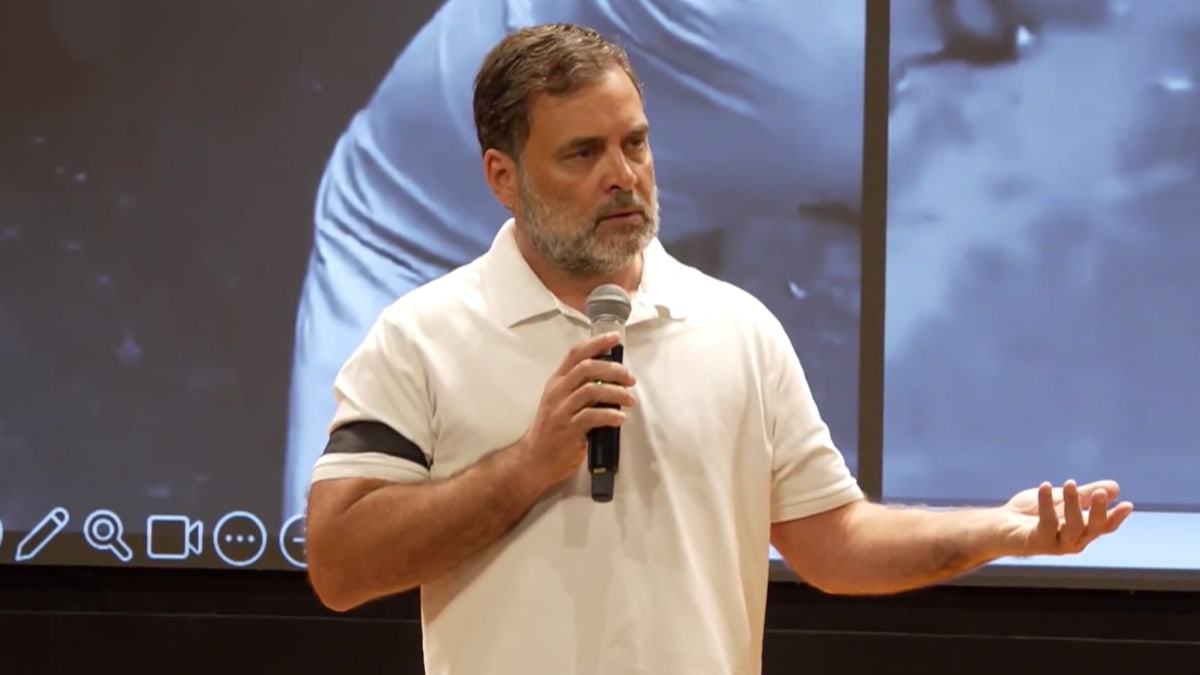
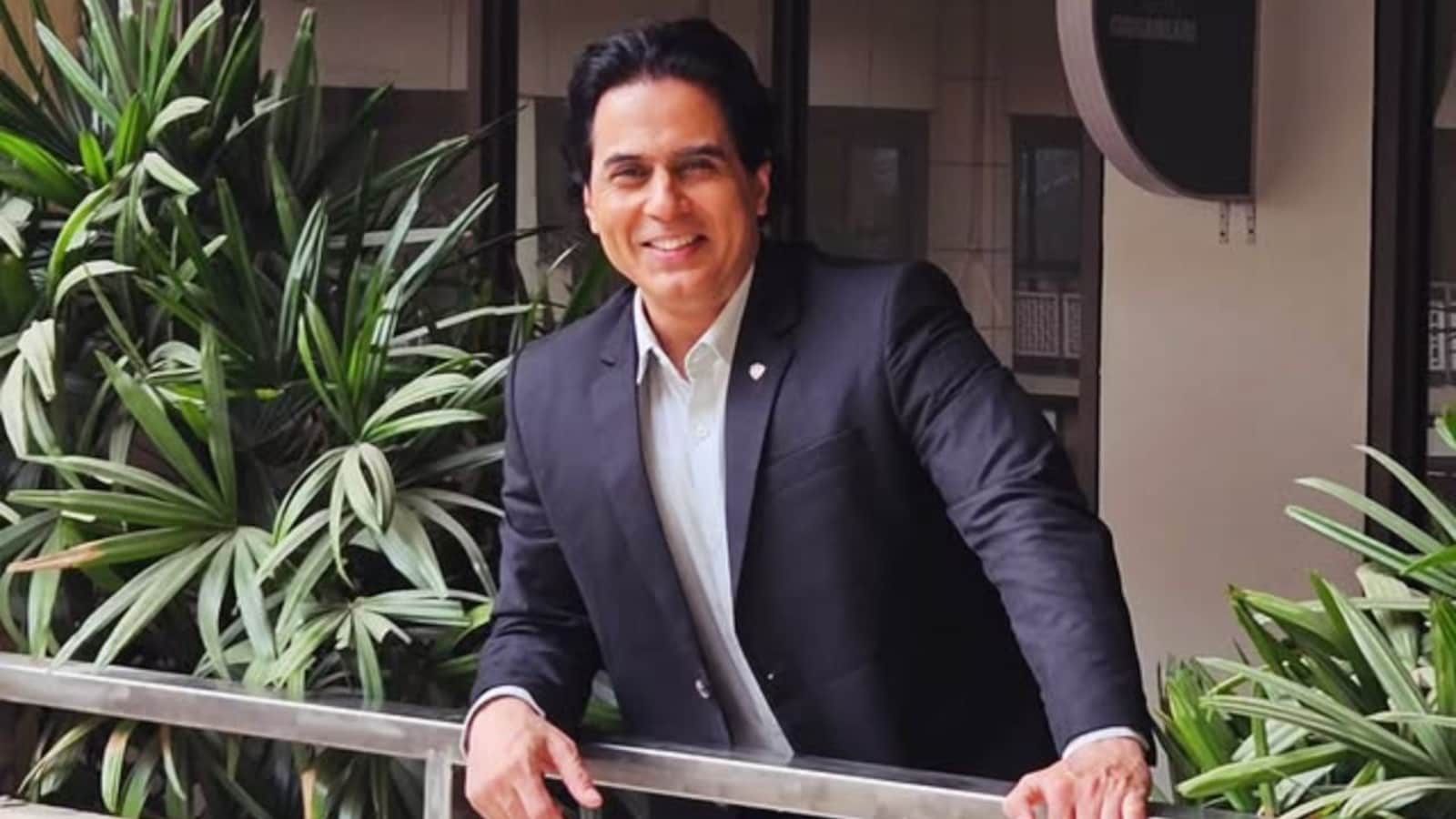
Abhijeet Dipke, a 30-year-old Indian student who was studying public relations at Boston University in the United States when he made a post on X that would change the course of his life and ignite a national movement.
The Spark That Ignited A Movement
In May, India's Chief Justice Surya Kant sparked outrage with a remark during a court hearing, comparing unemployed young people to cockroaches and parasites. Dipke, who was still in the United States at the time, fired back with a satirical post on X asking what would happen if all the cockroaches came together.
This seemingly innocuous post didn't just go viral; it turned into a full-blown movement. The Cockroach Janta Party, as it came to be known, is a clever jab at the ruling Bharatiya Janata Party (BJP). The name stuck, and with over 22 million followers on X, Dipke became an unlikely leader of the movement.
From Satire To Reality
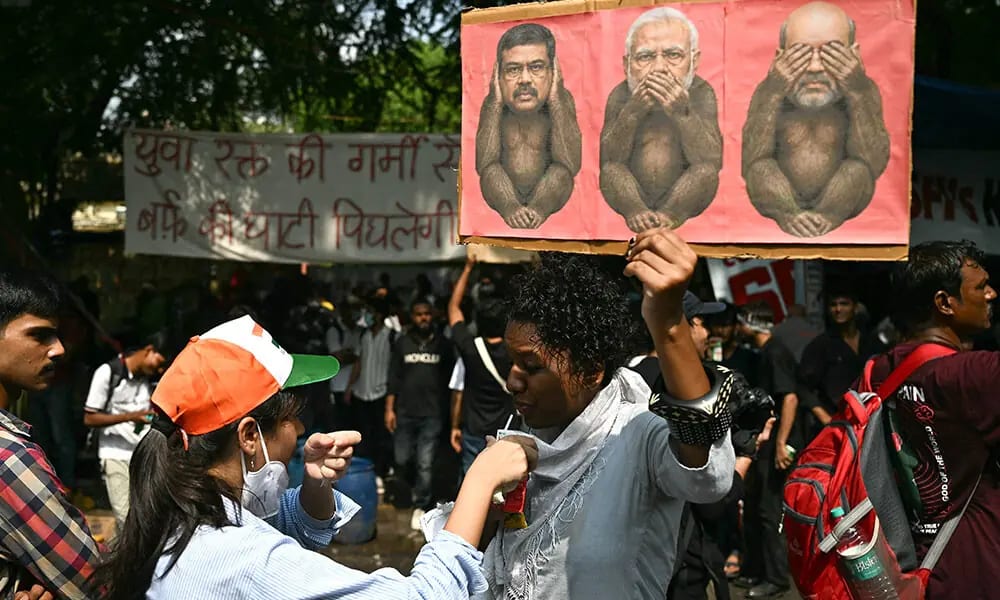
Dipke flew back to India on June 6 and set up camp at Jantar Mantar, a protest ground in the heart of New Delhi. Despite having a public relations degree from Boston still fresh in his mind, Dipke insists that he never planned any of this. The movement grew organically, and what started as a joke turned into a reality when thousands of students joined in.
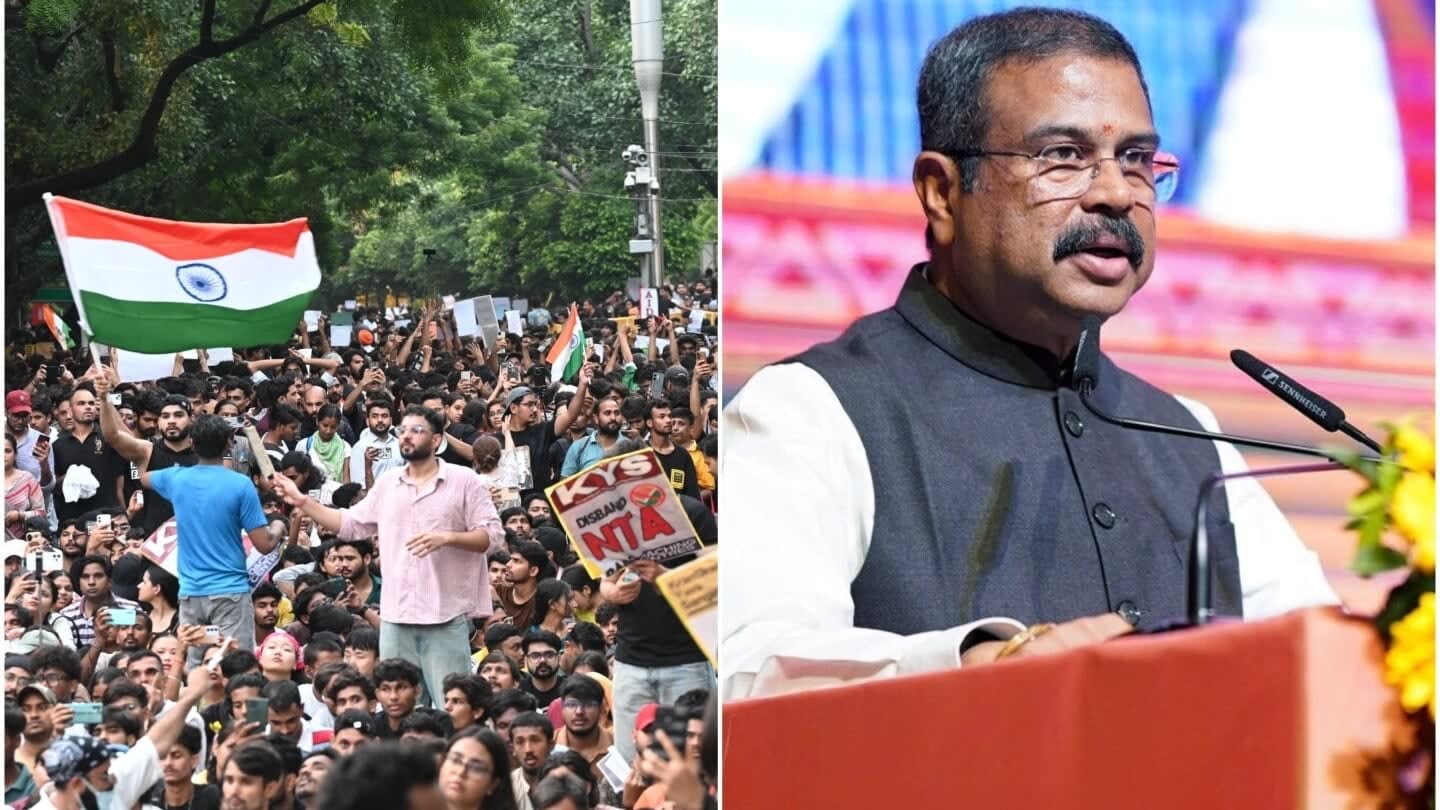
The initial demands were straightforward: education minister Dharmendra Pradhan's resignation over a leaked exam paper. However, things quickly escalated. On July 20, authorities forcibly removed activist Sonam Wangchuk from a hunger strike at the same site, and a woman threw blue ink on Dipke soon after.
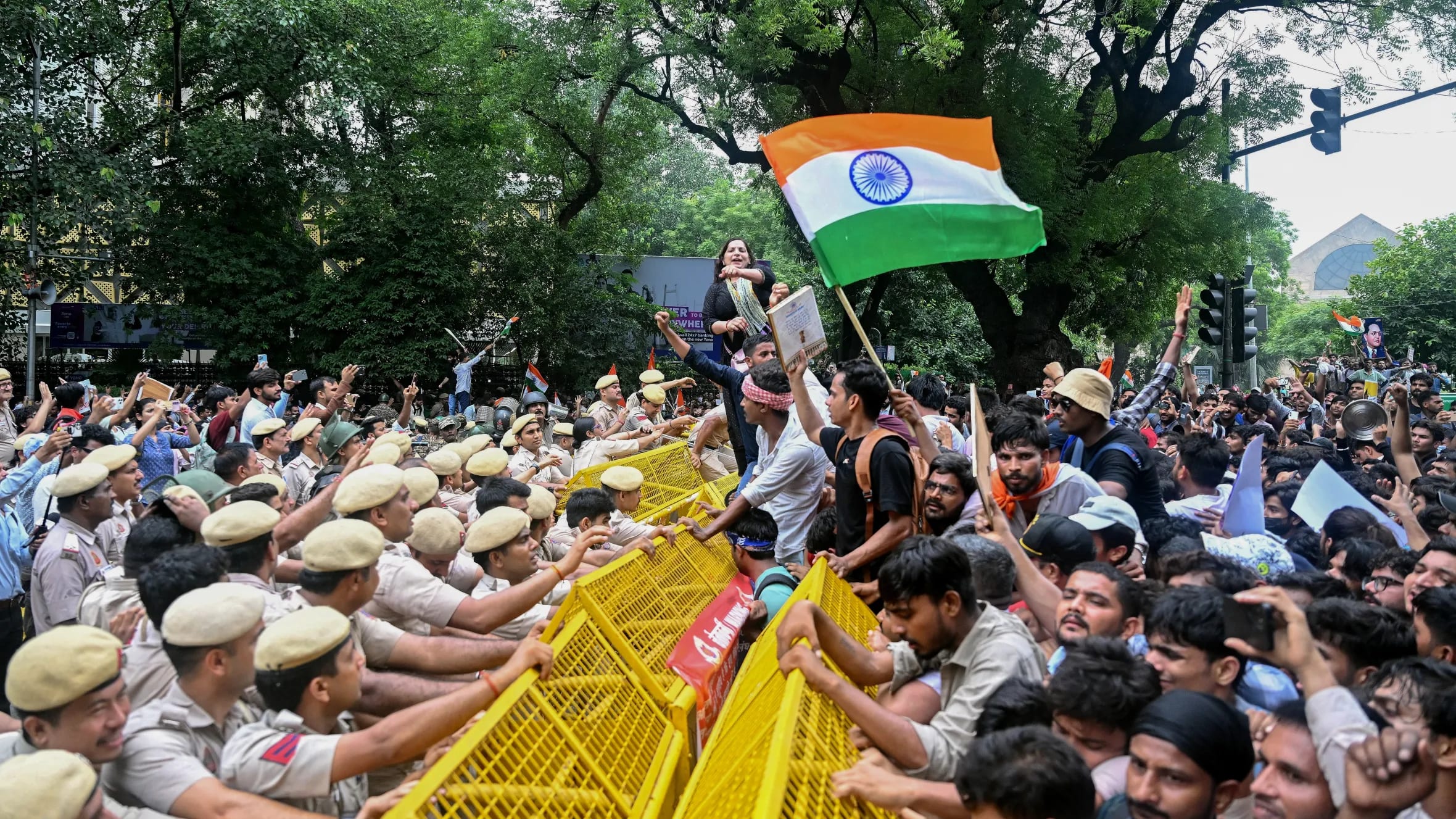
The police response was heavy-handed, with tear gas and batons being used to disperse protesters as they pushed toward parliament without permission. The government had already banned the party's original X account, prompting Dipke to directly blame Prime Minister Narendra Modi for this move in a new post.
From Apology To Resignation
The image of police using force against peaceful protesters has stayed with people, and it's hard to shake off once you've seen it. Dipke wants more than an apology; he's now called for a march straight to parliament on Monday, the first day of its monsoon session, demanding Prime Minister Narendra Modi's resignation too.
The stakes are high, and the situation is volatile. The Indian government has faced widespread criticism for its handling of protests, with many accusing it of trying to silence dissenting voices. Dipke's Cockroach Janta Party has tapped into a deep-seated frustration among young people in India, who feel that their concerns are being ignored by the ruling party.
Context And Background
To understand the magnitude of what's happening, it's essential to put this movement in context. India is facing an economic slowdown, and unemployment rates have been rising steadily over the past few years. The education sector has been particularly affected, with a leaked exam paper controversy adding fuel to the fire.
The government's handling of protests has also come under scrutiny. In recent months, there have been reports of police brutality against peaceful protesters, and activists like Sonam Wangchuk have been targeted for their dissenting voices.
Analysis And Insights
Abhijeet Dipke's rise to prominence is a testament to the power of social media in mobilizing people around a cause. His Cockroach Janta Party has tapped into a sense of frustration and disillusionment among young Indians, who feel that their voices are being ignored by the ruling party.
The movement's success can also be attributed to Dipke's willingness to poke fun at the system and challenge authority. By using satire as a tool for social commentary, he has managed to tap into the collective anger of thousands of people.
Conclusion
As the monsoon session of parliament begins on Monday, Abhijeet Dipke's Cockroach Janta Party will be watching closely. With over 22 million followers on X and a growing presence on the streets, it's clear that this movement is here to stay.
Dipke's call for Prime Minister Narendra Modi's resignation has added a new layer of complexity to the situation. Will the government listen to the demands of the protesters, or will they continue to try and silence dissenting voices?
One thing is certain: Abhijeet Dipke's Cockroach Janta Party has become a symbol of resistance against an increasingly authoritarian government in India. As the movement continues to grow, it will be interesting to see how the government responds.




Comments