

Telegram is once again available for download on both the Google Play Store and the Apple App Store in India, marking a swift resolution to what had briefly become a major flashpoint between the government and one of the world's most popular messaging platforms. The app's return comes just days after Indian authorities had it pulled from both storefronts, cutting off new downloads and updates for millions of potential users across the country.
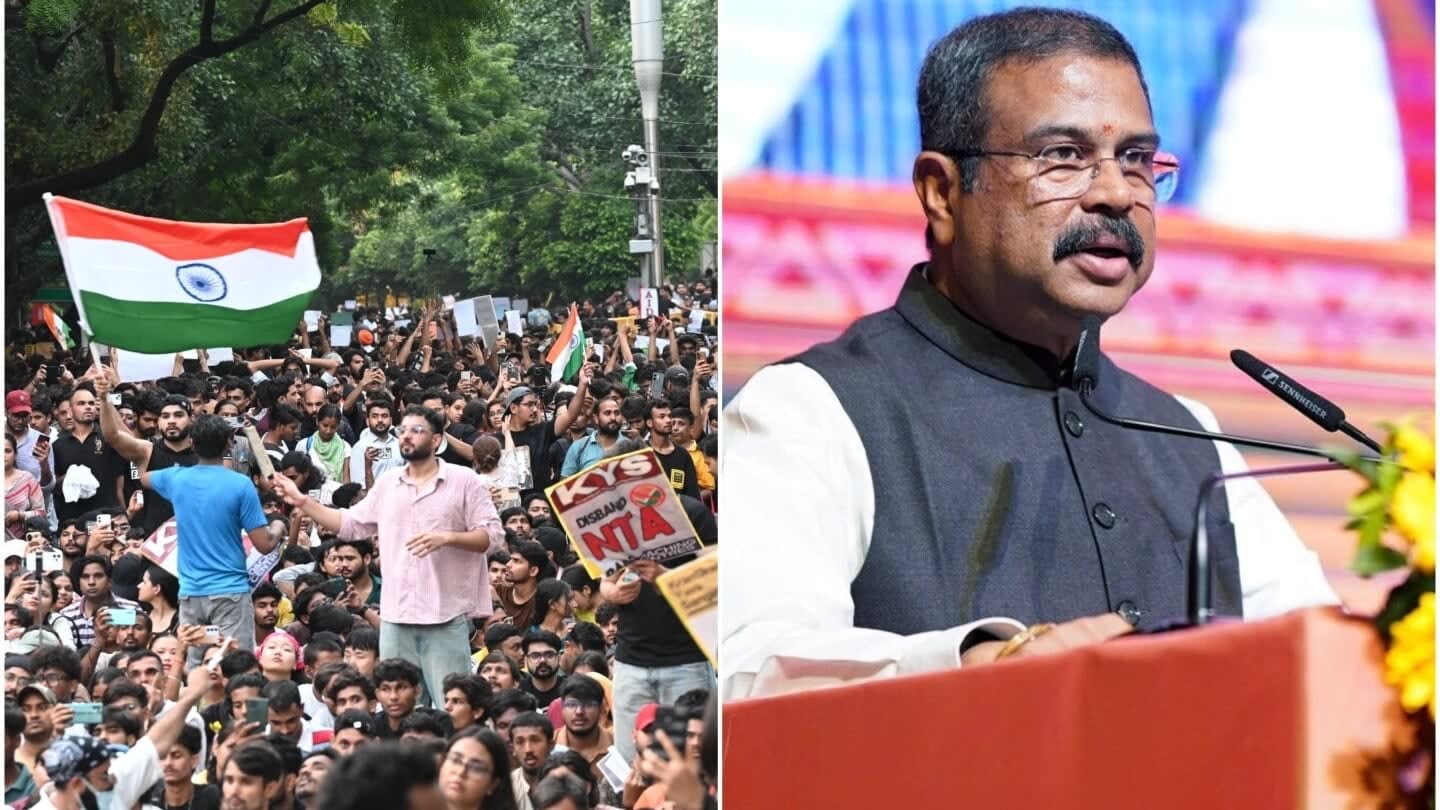
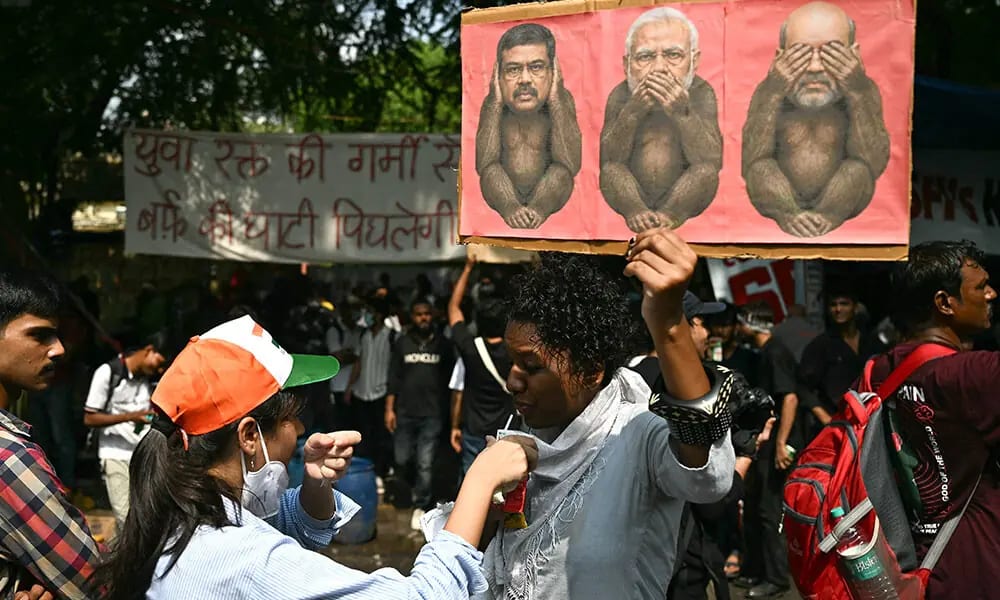
The removal was no coincidence in timing. It came right before the retest of the NEET UG examination, held on June 21, which itself was ordered after allegations of malpractice and irregularities plagued the original exam cycle. NEET UG, the gateway examination for admission to medical and dental colleges across India, is one of the most high-stakes tests in the country, attracting lakhs of aspirants every year. Any hint of a leak or cheating racket around it tends to trigger swift and serious action from regulators, given how deeply it affects students' futures and public trust in the examination system.
According to officials, the trigger for the ban was the suspicion that organised cheating syndicates were misusing Telegram's editing tools to doctor images and documents, allegedly to pass them off as leaked question papers. The National Testing Agency, which conducts NEET UG, flagged a deeper concern as well: Telegram's structure allows users to operate under anonymous usernames without linking accounts to verifiable phone numbers in the way some other platforms require. This anonymity, officials argued, made it extremely difficult to trace the individuals or networks behind the alleged racket, effectively giving bad actors a shield to operate behind.
Telegram has long positioned itself as a privacy-first alternative to more mainstream messaging apps, a feature that has made it popular with everyone from tech enthusiasts to community groups, but has also periodically drawn scrutiny from governments worldwide over its potential misuse for illegal activity. India is not the first country to raise concerns about the platform's moderation and traceability features, but the NEET episode marks one of the more prominent instances of an Indian regulatory body acting directly against it.
Notably, while the app itself has been restored to both app stores, the specific editing feature that was allegedly exploited by the cheating gangs remains switched off, and is expected to stay disabled until June 30. This suggests authorities and the platform may have reached an interim arrangement: restore general access for the app's large user base while keeping the specific tool under scrutiny offline until further review.
It is also worth noting that despite the intensity of the crackdown, no paper leak has been officially confirmed in connection with this controversy. The action appears to have been precautionary, aimed at closing off a potential avenue for malpractice rather than responding to a confirmed breach. For now, students and Telegram users across India can breathe easy knowing the app is back, even as questions about accountability and traceability on encrypted platforms continue to simmer in the background.











Comments