

India's decision to block Telegram for six days, from a Tuesday until June 22, has left students, parents, and coaching institutes across the country scrambling for information right when they needed clarity the most. The timing was especially fraught, coming just days before the NEET 2026 medical entrance re-examination scheduled for June 21, an exam that millions of aspiring doctors across India were preparing to sit for after months, sometimes years, of relentless study.
The National Testing Agency, which functions under the Ministry of Education and is responsible for conducting NEET, said the block was necessary because cheating rackets had been using Telegram to defraud students appearing for the exam. Telegram, with its encrypted channels and ability to host large, semi-anonymous groups, has long been flagged by authorities worldwide as a platform vulnerable to misuse, whether for spreading misinformation, running scams, or in this case, allegedly circulating leaked question papers and fraudulent "guaranteed pass" schemes targeting desperate students and their families.
The government invoked India's Information Technology law, which grants authorities the power to block online platforms or content when it is deemed necessary in the interest of national integrity, security, or public order. This is not the first time such powers have been used against messaging or social media platforms in India, and the move underscores how seriously officials are treating the integrity of the NEET examination this year.
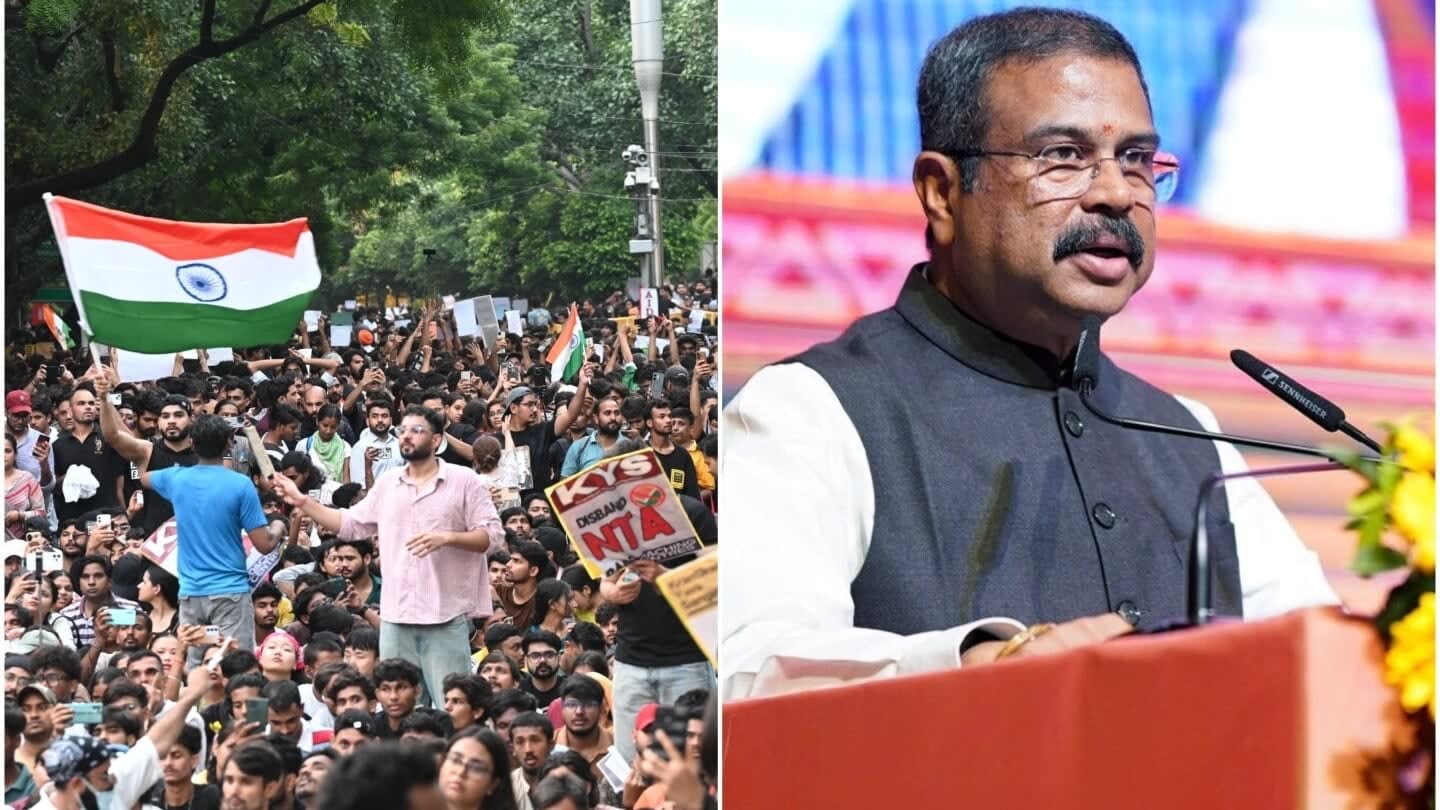
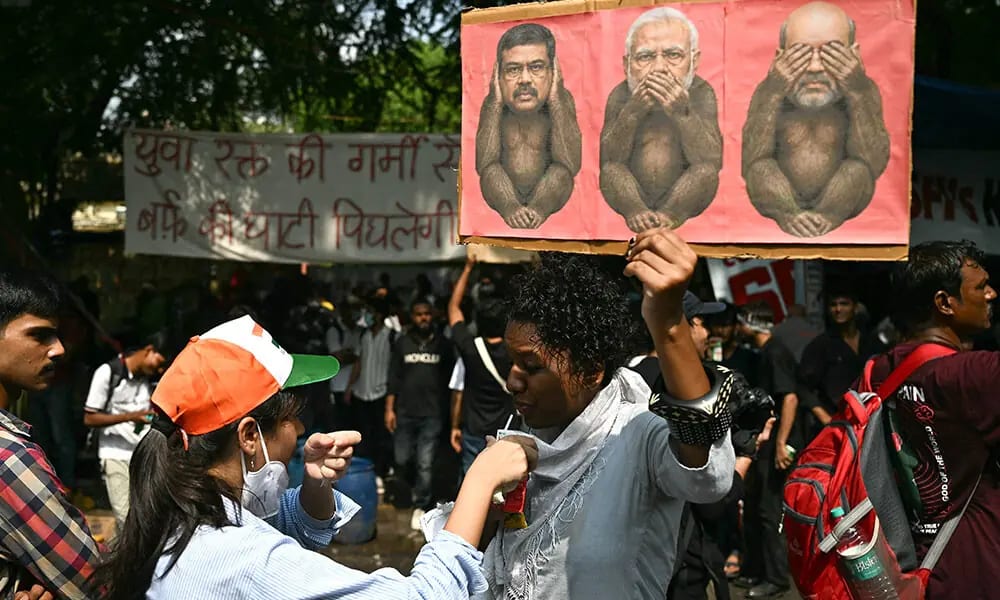
That seriousness stems directly from what happened with the original NEET exam, which was cancelled last month after authorities discovered that question papers had been leaked before students even sat down to write the test. The fallout was swift and intense. Students who had spent years preparing, many from modest backgrounds for whom NEET represents a rare shot at upward mobility through a career in medicine, took to the streets in protest across the country. Among the groups demonstrating was the Cockroach Janta Party, whose members demanded the resignation of Education Minister Dharmendra Pradhan, holding him accountable for what they saw as a systemic failure to protect the sanctity of the exam.
For a country where NEET determines admission to medical colleges for hundreds of thousands of hopefuls every year, a leak of this scale is not a minor administrative hiccup, it strikes at the heart of trust in the examination system itself. Every leak reinforces the fear among students that merit alone may not be enough, and that those with access to insider networks or willing to pay cheating rackets have an unfair advantage.
The government has acknowledged the disruption caused by the Telegram block, offering an apology for the inconvenience faced by ordinary users who rely on the app for everyday communication, business, and news. Still, officials have made clear that the ban will remain in place until June 22, prioritising the integrity of the re-examination over the temporary inconvenience. For the students who missed out on the chance to write NEET the first time around because of the leak, this re-scheduled exam represents their one chance this year to prove themselves, and the government appears determined to ensure no shortcuts undermine it a second time.







Comments