

The battle over India's digital privacy versus exam security took a fresh turn this week as Telegram approached the Delhi High Court, challenging the government's decision to block the messaging platform across the country. The ban, which came into effect ahead of the NEET UG re-examination scheduled for June 21, is set to remain in place until June 22, leaving crores of Indian users locked out of one of the world's most widely used messaging apps.
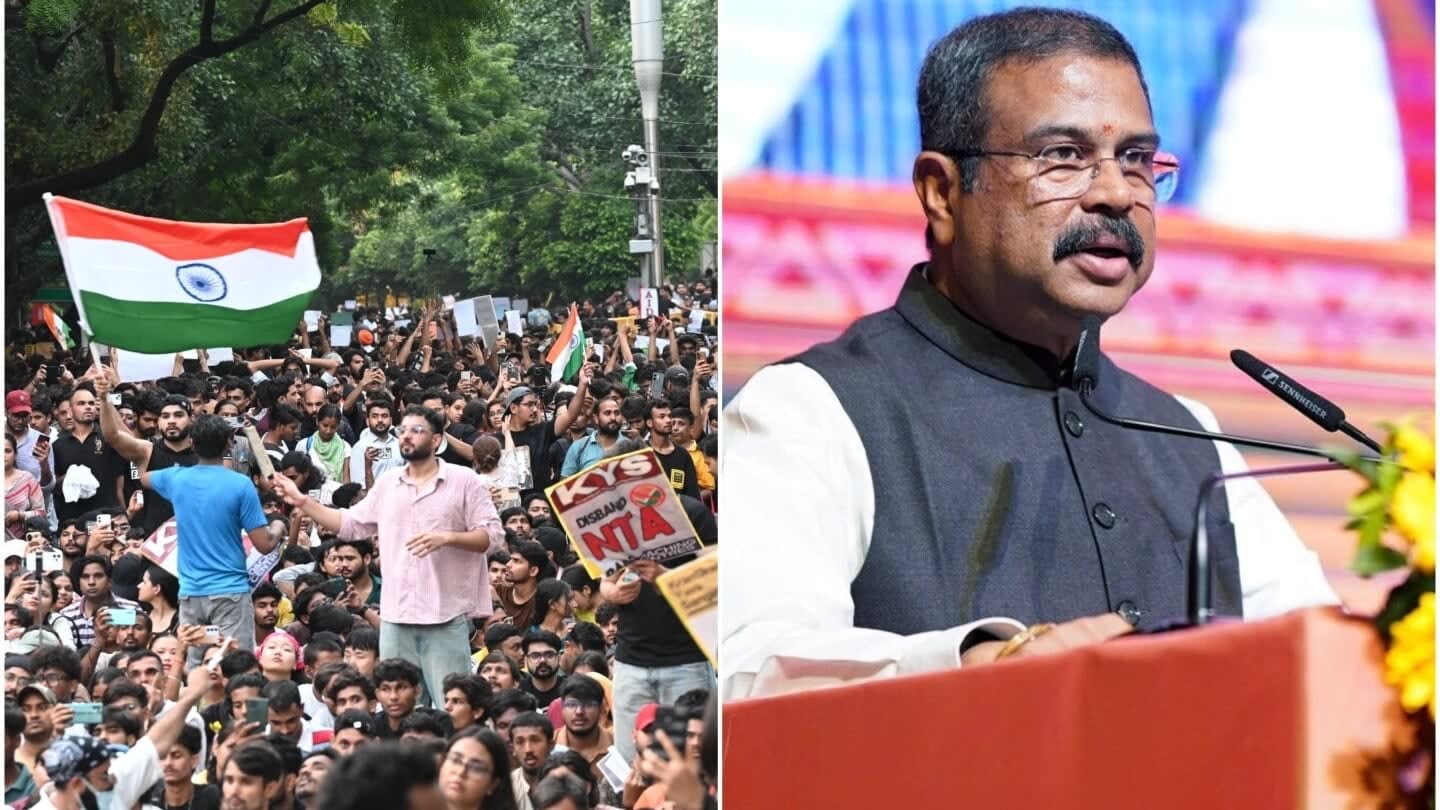
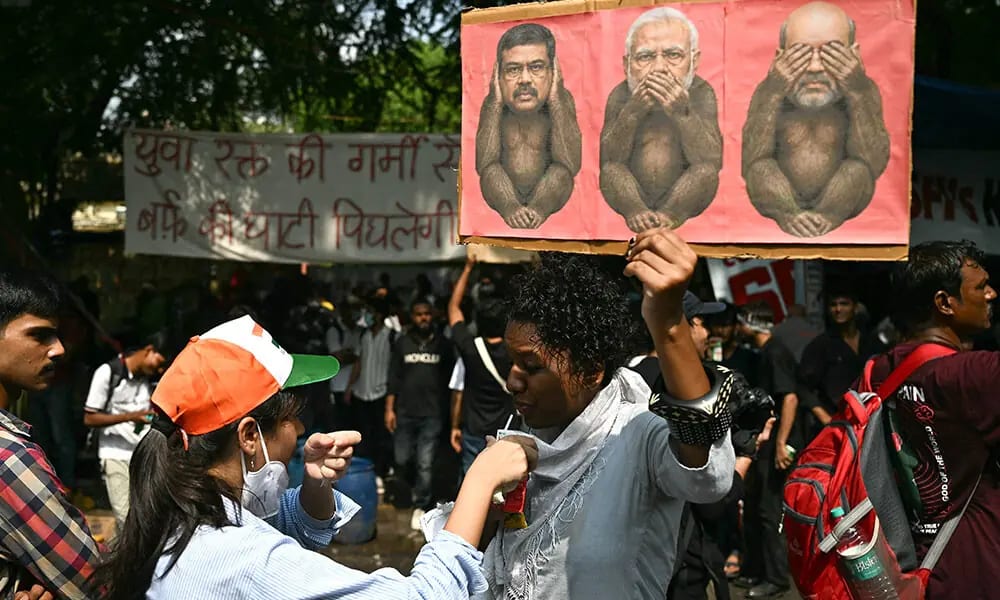
The government's move was prompted by the National Testing Agency (NTA), which had raised concerns that Telegram was being used as a conduit for leaking question papers ahead of the crucial medical entrance exam. NEET UG, which decides admissions to MBBS, BDS and other medical courses across the country, has been dogged by controversy over the past year, with allegations of paper leaks, irregularities and malpractice threatening the credibility of what is arguably India's most high-stakes competitive examination. Against this backdrop, authorities appear to have taken a precautionary, blanket approach — shutting down the platform entirely rather than pursuing targeted action against specific channels or individuals suspected of circulating leaked material.
For Telegram, the stakes are considerable. The platform counts over 150 million regular users in India, one of its largest markets globally, spanning everything from casual group chats and news channels to businesses that rely on it for customer communication. A blanket nationwide ban, even a temporary one, disrupts this entire ecosystem overnight. Telegram's petition in the Delhi High Court reportedly argues that the shutdown has done little to address the actual problem it was meant to solve, pointing out that those responsible for leaking exam papers likely already had the material downloaded, screenshotted or forwarded elsewhere well before any ban could take effect — meaning the ban punishes the many law-abiding users while barely inconveniencing the few bad actors it was aimed at.
The company has also pushed back on suggestions that it has been an indifferent or uncooperative platform, stating that it had already taken down hundreds of channels linked to the alleged leaks in response to earlier complaints and legal requests. This, Telegram argues, demonstrates that a full ban was neither necessary nor proportionate, and that content-specific takedowns could have achieved the same goal without disrupting service for millions of ordinary users.
The case now places the Delhi High Court in the position of weighing two competing public interests — the integrity of a national examination system that millions of aspiring doctors depend on, against the right of a much larger population to uninterrupted access to a communication platform. With the NEET re-exam already behind us by the time any ruling arrives, the court's decision could hinge less on the immediate exam-day concerns and more on setting a precedent for how India handles platform-wide bans in future cases involving leaks, misinformation or other content violations. Until then, Telegram users across the country will be watching closely to see whether access is restored on schedule, or whether the restrictions linger further.









Comments