

The United Kingdom has taken one of the boldest steps yet among major democracies to shield children from the pressures of the online world, with Prime Minister Keir Starmer formally announcing legislation that would bar anyone aged 16 and under from using mainstream social media platforms. The list of affected apps reads like a roll call of the internet's most popular destinations for young people, Snapchat, TikTok, YouTube, Instagram, Facebook and X, meaning that if the law passes in its current form, an entire generation of British teenagers and pre-teens will effectively be locked out of the digital spaces where much of modern social life now unfolds.
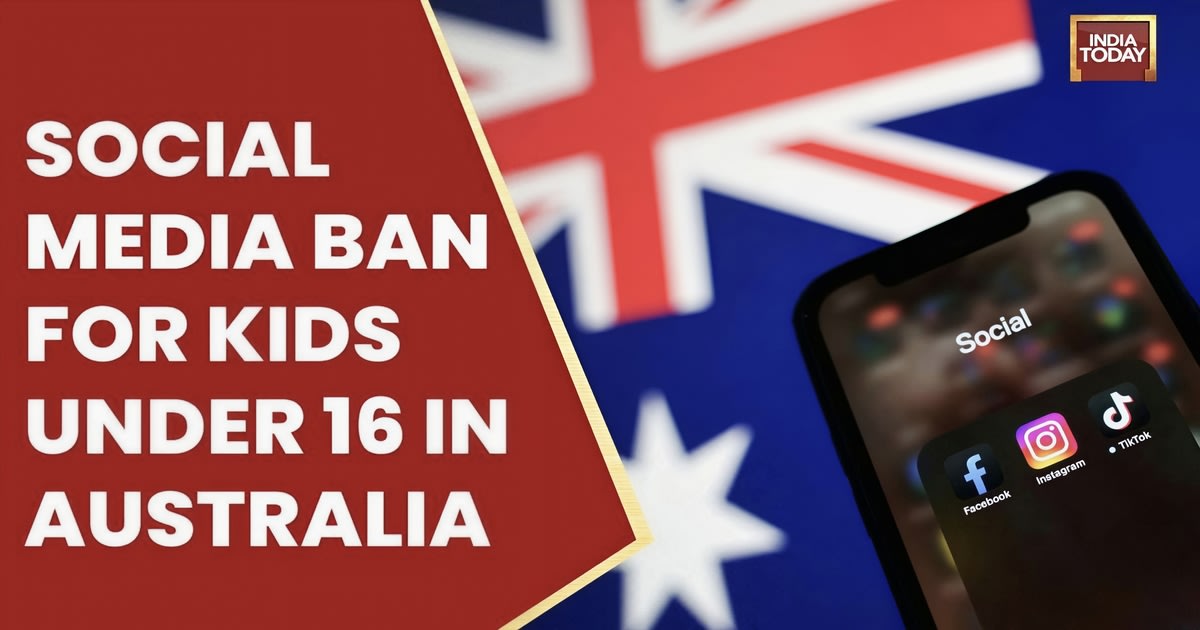
What makes the UK's approach particularly striking is how far it goes beyond Australia's much-discussed under-16 social media ban, which grabbed global headlines earlier and was seen as a template for other nations weighing similar action. Starmer's plan doesn't stop at simply blocking account creation. It also proposes cutting off livestreaming access and stranger-to-stranger communication for under-16s, effectively closing off two of the features most commonly linked to grooming and exploitation risks. On top of that, older teenagers who are permitted some access would face overnight curfews, restricting late-night scrolling that has long been blamed for disrupted sleep and worsening mental health among adolescents. The legislation additionally reaches into the emerging world of artificial intelligence, placing restrictions on how young users can interact with AI chatbots, an acknowledgment that the online safety conversation is no longer just about social feeds but also about a new generation of AI companions and assistants.
Public sentiment in Britain appears to be firmly behind the move, with polling showing that roughly 74 percent of people support the ban. That level of backing suggests widespread parental anxiety about screen time, cyberbullying, body image pressures and exposure to harmful content, concerns that have been building for years across Western countries. Yet even with strong public approval, the policy is far from uncontroversial among researchers and child psychologists. The scientific evidence linking social media use directly to mental health decline in teenagers remains genuinely mixed, with some studies pointing to clear harms and others finding the relationship far more complicated. Similarly, questions remain over whether outright bans can be enforced effectively, given how easily tech-savvy teenagers have historically bypassed age verification systems in the past.
Notably, the legislation carves out an exemption for private messaging services such as WhatsApp and Signal, recognizing the difference between open, algorithm-driven public platforms and closed personal communication tools. For Indian audiences watching this debate unfold, the UK's move could prove significant, as India too has been grappling with its own questions around children's data protection and online safety, and Britain's experiment may well become a reference point for future policy conversations at home.







Comments